Out of sight doesn’t always mean out of mind—especially when it comes to commercial overhead doors. Many businesses rely on them every single day without giving much thought to how they’re holding up. That’s until something goes wrong, and by then, it might have already cost you time, money, or both. These doors do more than just open and close. They play a big part in your building’s energy efficiency, security, workflow, and even safety.
When overhead doors stop performing like they should, the effects can ripple across your whole operation. Problems like poor insulation, broken seals, or faulty openers may seem small, but they can dig into your profit margins over time. Knowing what to watch for and addressing issues quickly can prevent bigger headaches later. Let’s go over some problems that can chip away at your bottom line if left unresolved.
Increased Energy Costs
If your commercial space sees a lot of foot traffic, deliveries, or warehouse activity, your overhead doors are getting regular use. And if they’re not in good shape, they’re probably letting more than just shipments in and out. Gaps in the seal or poor insulation can allow outside air to creep in, making your HVAC system work harder to keep temperatures steady.
This becomes especially noticeable during Buffalo winters or warm, humid days toward the end of summer. A drafty overhead door in your loading dock doesn’t just make things uncomfortable for staff. It raises energy bills as your heating or cooling system struggles to keep up. Often, the culprits are overlooked issues like:
- Worn-out or missing weather stripping
- Cracked or dented panels that don’t close tightly
- Poorly lubricated rollers and tracks
Schedules get busy, and it’s easy to delay small repairs. But the longer these problems go unchecked, the more they can build up cost-wise. Something as simple as replacing the seal around the door can improve how your heating or cooling system performs. Making sure your overhead doors are properly insulated and sealed keeps day-to-day energy costs from spiraling out of control.
Security Vulnerabilities
Security becomes more than just locking the doors at night when you’ve got aging or faulty equipment. A compromised overhead door can make your Buffalo business an easy target for break-ins or lost inventory. Sometimes all it takes is a bad sensor, a broken lock, or a door that no longer closes all the way to create a serious risk.
Imagine a situation where a dented panel stops the door from fully shutting. You might not notice it right away, but to someone passing by, that crack is an open invitation. Once that entry point is exposed, all it takes is one opportunity for problems to start. Loose hardware, dead remotes, and unreliable sensors can all lead to gaps in your building’s security.
These issues don’t always make a lot of noise or bring immediate attention. But over time, they leave businesses wide open to theft and damage. Staying on top of the small red flags matters. A routine check of all moving parts, sensors, and lock functions helps uncover issues before they grow into more dangerous problems.
Operational Downtime
When a commercial overhead door stops working, it doesn’t just create minor delays. In a busy delivery area or warehouse, a stuck door can shut down the entire flow of your day. Whether you’re unloading goods, moving heavy equipment, or clearing space for a shipment, one faulty door can leave your operations idling.
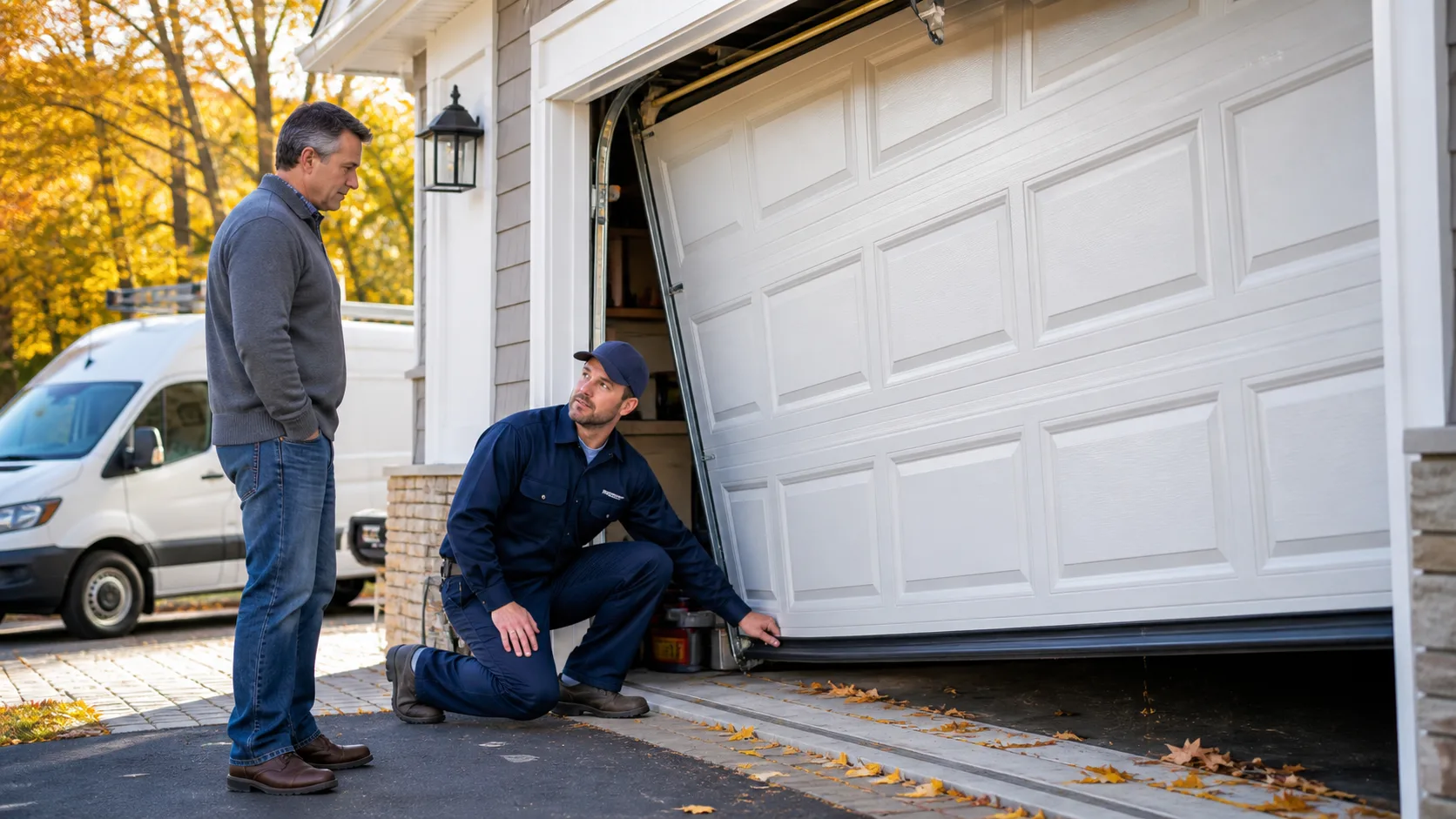
The problems often start small. Maybe the track is misaligned, or a cable has a little fray. Then it fails completely—and suddenly you’ve got delivery trucks waiting, team members standing by, and schedules thrown off. In some cases, doors fail to respond at all, leaving teams with no way to access storage or loading areas. Here are a few common problems that lead to downtime:
- Misaligned tracks preventing full movement
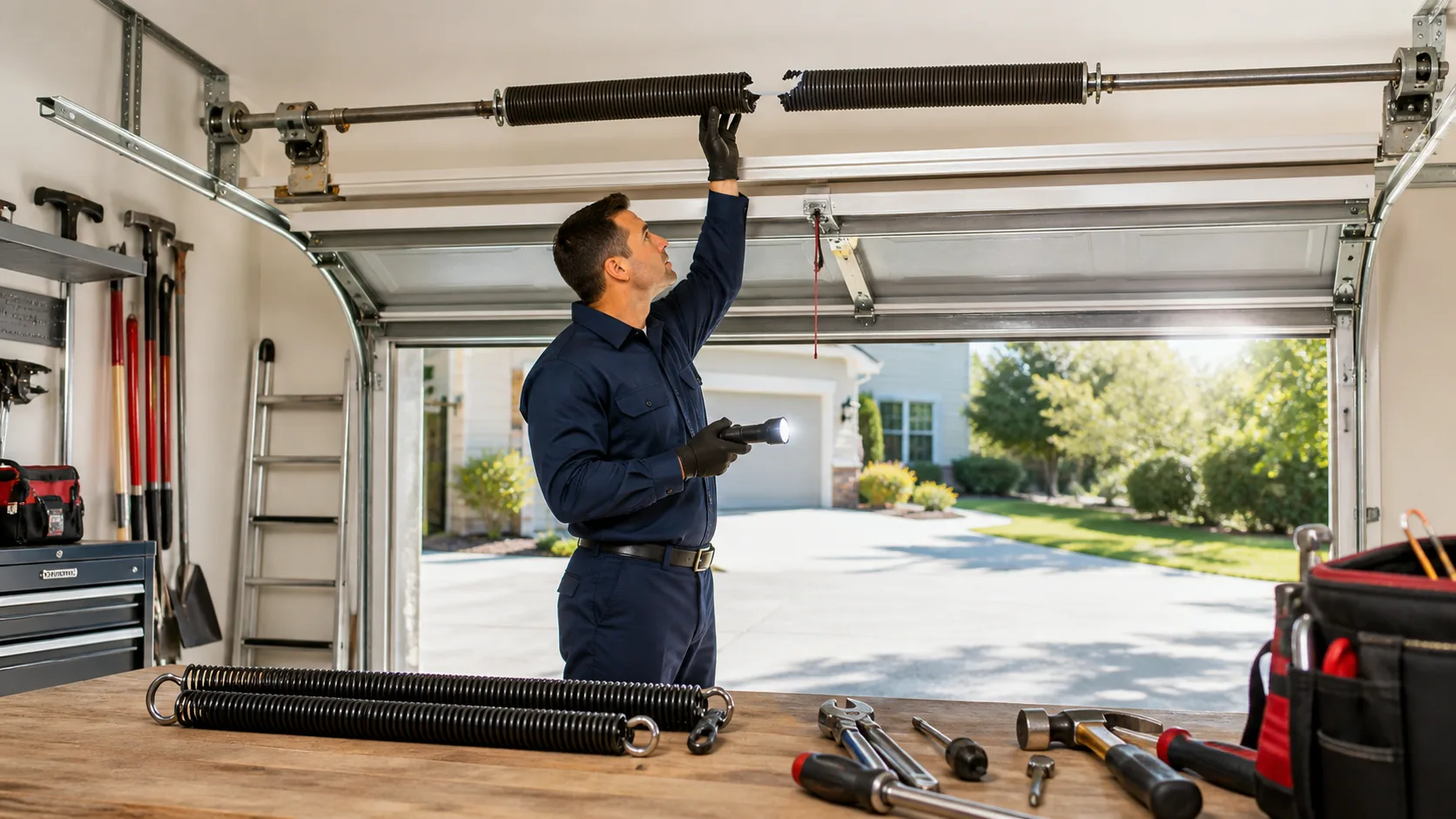
- Worn springs or cables that stop operation
- Sensor and remote issues preventing door action
- Chains or pulleys that detach or jam unexpectedly
Trying to get through the day with a faulty door usually leads to temporary workarounds. These fixes rarely hold, and they can cause even more trouble if a door fails during use. Every moment the door isn’t working as it should adds up in lost hours and extra labor costs.
Keeping an eye on how smoothly your doors operate makes a difference. If something starts sticking, jerking, or hesitating during use, it’s a sign that a service visit may be needed before things come to a grinding halt.
Worker Safety Concerns
A faulty overhead door doesn’t just interrupt schedules—it puts your staff at risk. When components wear down over time or when safety features stop working properly, the chance of injury increases.
Unreliable door sensors are one common problem. These devices detect objects or people in the door’s path and should stop the door immediately. But if they’re outdated or misaligned, the door might keep closing, potentially causing harm. Broken tension springs and high-stress components like cables can also snap without warning, creating serious hazards.
Other risks include:
- Doors crashing down due to spring or cable failure
- Grease or oil buildup creating slick work areas
- Panels loosening or shifting after years of wear
- Jammed manual lifts requiring unsafe fixes under pressure
Even if no one is hurt, a near-miss can shake morale and slow productivity. Accidents require investigation and repair, and they often bring added paperwork or downtime. Keeping overhead doors in functional, safe shape isn’t just a precaution—it keeps your people confident and focused on their work.
Make the Right Choice for Your Business
An overhead door might not seem like a major expense until something breaks. From wasted energy to missed deliveries, these issues quietly affect the bottom line. What starts with a little wear here or a small misalignment there can grow into security gaps, staff hazards, or long delays.
Staying ahead with consistent maintenance and overhead door repair solves problems before they spread. When systems work like they should, everyone benefits. It’s easier to stay on track, meet deadlines, and manage expenses when your equipment isn’t fighting against your goals.
Strong, secure, and well-functioning doors aren’t a luxury for your Buffalo business—they’re part of what keeps things moving forward.
To keep your business running smoothly and avoid unexpected disruptions, it’s important to stay on top of your overhead door maintenance. For dependable service that keeps everything operating securely and efficiently, trust Barlett Overhead Door. Learn more about how our overhead door repair can help protect your bottom line and keep operations on track.