A broken garage spring can turn your day upside down fast. You might go to leave the house, hit the remote, and suddenly your garage door won’t budge. Or worse, it drops shut with a loud crash. Your garage door relies on the spring to do the heavy lifting. When that part fails, nothing works the way it should. That’s why it’s important to act quickly. Ignoring the problem can make things worse or even unsafe.
Whether you’ve owned your home for years or just moved in, understanding how to spot a broken spring and what steps to take next gives you a big head start. With the right action plan, you don’t have to panic. This short guide will walk you through what to look for, how to stay safe, and what professional repair usually involves—all with clear language and real solutions for people living in Buffalo and nearby areas. Let’s start with how to tell if your spring’s actually broken.
Identify The Problem Early
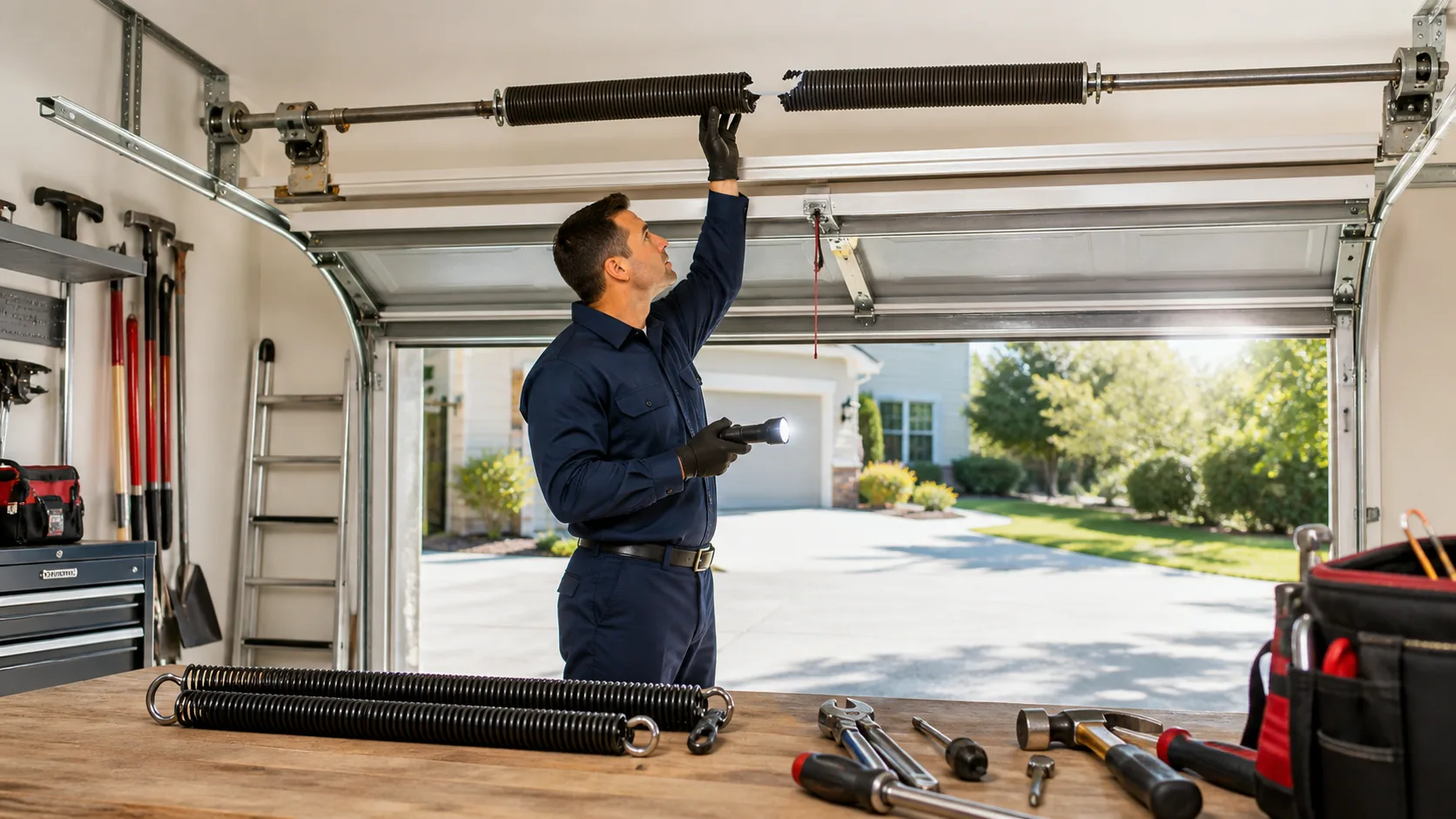
Your garage spring’s job is to carry most of the weight of the door as it opens and closes. When it breaks, your door either stays shut or becomes extremely heavy and difficult to lift. In some cases, you may hear a loud snap when the spring gives out, almost like a firecracker going off in your garage. That noise is often the first sign something’s not right.
Here are a few warning signs that your garage spring may be broken:
– The door won’t lift, even when you try manually
– You hear a loud bang from the garage, but nothing looks broken at first glance
– The opener struggles or stops before the door is fully opened
– Gaps appear in the spring itself, as if it’s been split in two
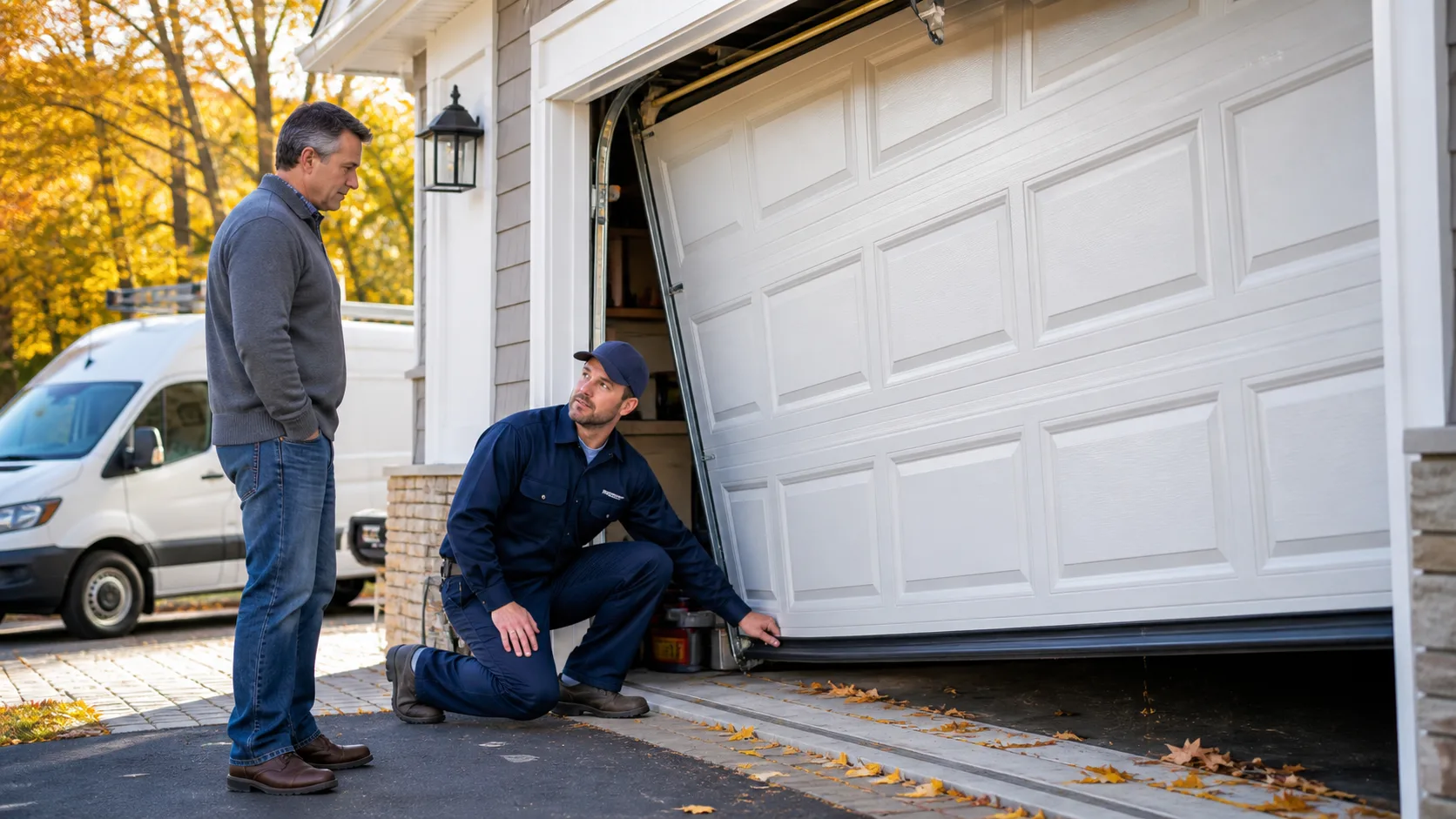
– The door opens crooked or shaky on one side
Most garage doors use either torsion or extension springs. Torsion springs are mounted across the top of the door and twist to create tension as the door moves. Extension springs are located on the sides and stretch open and close. Torsion springs are more common in newer systems, while extension springs are still found in many older setups.
Many issues trace back to spring wear and tear. Springs are only designed to last through so many open-and-close cycles. Rust buildup, sudden temperature changes, or accidental damage can also shorten their lifespan. Recognizing these warning signs early not only helps prevent further damage to your door system but also avoids risky situations.
What To Do Right Away
Once you’ve figured out the spring might be broken, the next step is to shift from guessing to doing. Safety is the most important thing to keep in mind. A broken spring means the door is no longer properly supported, and trying to mess with it without knowing what you’re doing can be dangerous.
Here’s what to do as soon as you discover the issue:
– Stop using the automatic opener right away. This can burn out your motor or cause the door to move unevenly.
– Don’t try to lift the door manually unless you absolutely need to and know how to do it safely. The full weight of the door may now rest in your hands.
– Keep kids and pets out of the garage until the repair is done.
– Don’t attempt to remove or adjust the spring yourself. The tension in those coils is powerful enough to cause injury if released the wrong way.
– If your vehicle is inside and you’re stuck, wait for a professional to arrive and handle it properly.
It’s tempting to go to the hardware store and try to fix it on your own, especially when you’re in a bind. But garage springs are under high tension and installing a new one the wrong way can lead to serious accidents. Professional repair isn’t just faster—it’s safer for you and your garage door system.
What to Expect from a Professional Garage Spring Replacement
When the technician shows up, they’ll do more than just swap out the broken spring. The first step is always assessing the type and size of your current spring system. This matters because using the wrong replacement can throw everything off balance. Once they’ve identified what’s needed, they’ll release any remaining tension in the spring, remove it, and install a new one with the proper tools. It sounds simple, but the risk behind it is why it’s best left to trained pros.
You might also notice that both springs get replaced—even if only one is broken. This ensures even wear and avoids future breakdowns. After installation, your technician should test the garage door several times for smooth operation, adjust the tension, and lubricate any moving parts. Some services also run a full check on cables, rollers, and the opener to catch anything else that may need attention.
Replacement appointments usually take a couple of hours, depending on the setup. Since every garage is different, having someone experienced makes a real difference. Many homeowners are surprised to find that the problem wasn’t the spring alone—sometimes misaligned tracks or worn rollers are part of the issue too. Having someone look at the system as a whole helps prevent that cycle of repeated repairs.
Tips to Extend the Life of Your Garage Springs
Garage door springs don’t last forever, but there are some easy habits that can help stretch their lifespan. With Buffalo getting its fair share of cold winters and warm summers, spring tension can change faster than you’d expect. Seasonal shifts and daily use wear down parts whether you notice or not. The good news is that small checkups go a long way.
Add these simple tips to your home maintenance routine:
– Listen for strange noises during opening and closing. Squeaks, grinding, or popping sounds may point to upcoming spring trouble.
– Watch how the door moves. If one side seems slower or the door tilts, address it before it gets worse.
– Don’t ignore resistance. If the door feels heavier than normal or stops partway, springs may be weakening.
– Lubricate moving parts every few months. Use a silicone-based spray on springs, tracks, and rollers to keep everything gliding smoothly.
– Schedule a professional inspection once a year. A quick check helps catch wear early and keeps the system balanced.
One homeowner in North Buffalo noticed signs of trouble when her garage door started opening slower, especially on cold mornings. A simple service call revealed rusted torsion springs and a fraying cable. With a new set of springs and a full tune-up, her door now works quietly and smoothly—no more waiting ten minutes in the cold while hoping it’ll open.
Why Being Proactive Pays Off
Waiting too long to fix a broken garage spring puts more stress on every other part of the system. It can also lock you out of your garage, delay your daily routine, or even damage the opener. If your garage is the main way you come and go, that’s a disruption that stacks up fast.
A spring problem won’t resolve itself with time. Addressing it early with proper repair offers peace of mind, saves money on future repairs, and keeps your garage door dependable through every season. Whether it’s icy snow in the winter or humidity in the summer, a strong spring system keeps things running no matter what the weather brings.
If your garage door isn’t opening or closing properly, it might be time to schedule a broken garage spring replacement in Buffalo. At Barlett Overhead Door, we handle these repairs with care, making sure your door works safely and smoothly so you don’t have to worry about unexpected problems.