Heavy-duty operations rely on equipment that can hold up to demanding workloads and stay reliable through daily use. That includes industrial doors, which need to be strong enough to handle the wear and tear of busy loading docks, warehouses, and manufacturing sites. When these doors work the way they should, the entire operation runs smoother, safer, and with fewer interruptions.
In Buffalo, where weather shifts fast and winter hits hard, the right industrial door isn’t just about convenience. It can also make a big difference in energy use, indoor comfort, and keeping equipment protected. On top of selecting the right door, it’s just as important to maintain it through regular checkups and fix problems before they lead to a costly shutdown.
Types Of Industrial Doors For Heavy-Duty Operations
Choosing the right door setup depends on what kind of work your facility does and how often the door is used. Some types are better for high traffic, while others are built for tighter security or better insulation. Each one brings its own advantages.
Here are some of the most common door types used in heavy-duty settings:
– High-speed roll-up doors: These open and close quickly, cutting down wait times and controlling airflow. They’re great for areas that need to maintain clean conditions or where temperature control matters.
– Sectional overhead doors: One of the most common choices for warehouses and shipping centers. These doors are made of horizontal panels that slide up along tracks into the ceiling and are favored for their durability and insulation.
– Fire-rated doors: Built with materials that slow the spread of fire, these doors are often required in areas where flammable materials are stored. They seal tightly and can operate manually or with automatic sensors.
– Security grilles and shutters: These provide protection for storefronts, service windows, and access points. They’re often made from steel and designed to be tamper-proof while still offering visibility or airflow when needed.
For example, a food distributor in Buffalo might depend on a set of high-speed roll-up doors during winter to load shipments fast without dropping indoor temps too much. That small move plays a part in protecting both people and products while keeping energy bills lower.
Each of these doors plays a role in improving how your day-to-day business runs. Picking the type that lines up with your space, workflow, and weather concerns means fewer risks and better long-term savings.
Key Features And Benefits Of Industrial Doors
Every heavy-duty space brings its own set of demands, so it pays to know what makes industrial doors hold up under pressure. Good doors aren’t just about opening and closing smoothly. The materials, design, and installation all work together to support safe and efficient operations.
Here are four things strong industrial doors bring to the table:
– Durability and strength: Most industrial doors are built from steel, aluminum, or heavy-duty composites. These materials stand up to hits, weather, and constant movement. Reinforced tracks and hardware are common in settings where the door is used dozens of times a day.
– Energy efficiency: Insulated doors can help with temperature control, which is especially important during Buffalo’s long cold seasons. Energy doesn’t leak out around a tight seal, so equipment and people stay comfortable, and indoor heating systems don’t have to work overtime.
– Enhanced security: Doors with strong locks, thick steel panels, and access control features help protect equipment and inventory. Extra features like motion sensors or key cards may be added depending on how much security each space needs.
– Ease of maintenance: The fewer moving parts a door has, the less likely it is to jam or wear out. Some doors now come with self-diagnosing features or simple reset functions. This helps workers get things going faster without needing to figure out what went wrong.
A facility manager dealing with overnight shipments in freezing conditions might choose a door with built-in insulation and reinforced edges to handle both temperature swings and frequent use. A smart setup like that can keep operations moving even when things outside get rough.
Choosing The Right Industrial Door For Your Business
Picking out a door for heavy work involves more than reviewing specs. You’ll need to look at where and how the door will be used. The front entrance of a large facility won’t need the same setup as an emergency access point or interior partition.
To find the best fit, keep the following in mind:
1. Operational needs: How often will the door open and close? What kind of traffic will pass through it—people, forklifts, or something else? Consider how much noise it creates and how fast it needs to move.
2. Environment and location: Buffalo’s freezing temperatures, snow, and wind make insulation and seals important features. Humidity, dust, and sunlight also impact door performance in other seasons.
3. Budget: You’ll want to weigh up the cost of installation and long-term upkeep. A very cheap door might wear out faster and result in more repair calls. Spending a bit more upfront can prevent downtime.
4. Local compliance rules: Some buildings have to follow fire code or industry-specific restrictions. Make sure the door aligns with local regulations to avoid surprise inspections or fines.
If your site handles food or chemicals and you need extra ventilation, or you work near heavy pedestrian traffic and need strong safety stops, those functions matter early in the process. Taking time to match the right door to the job now makes a big impact later.
The Importance Of Regular Maintenance And Overhead Door Repair
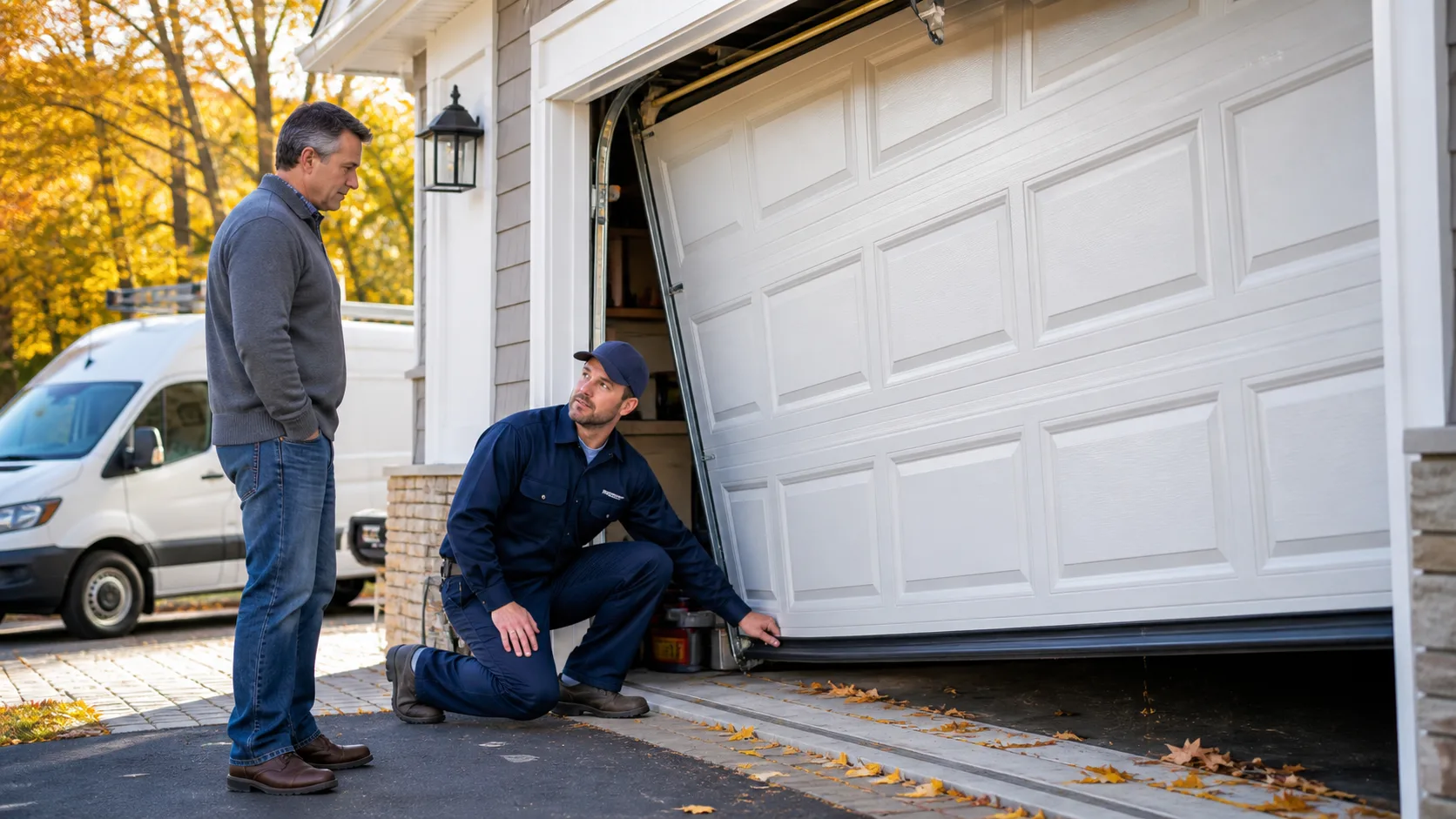
Even the best-made door will wear down with regular use. Parts loosen. Tracks get out of alignment. Panels bend or lose their seal. Waiting too long to fix small problems can lead to big trouble and even stop productivity altogether.
A strong maintenance plan keeps things on track. Regular checks can catch small signs like slow movement, unusual sounds, or visible wear. If ignored, these can lead to:
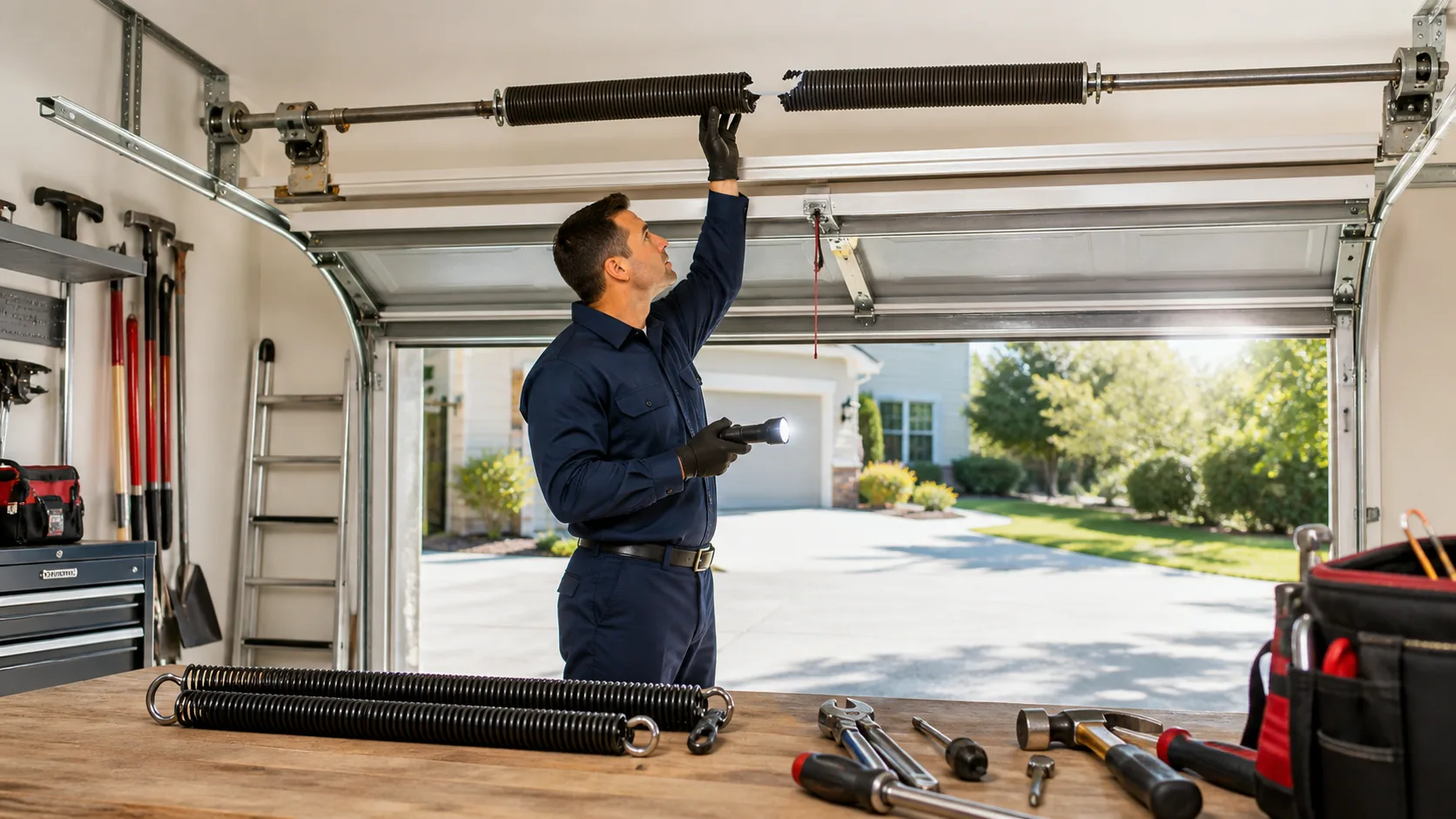
– Broken torsion springs
– Misaligned tracks or rollers
– Worn-out weather seals
– Damaged door panels
– Faulty sensors or openers
Local businesses dealing with icy loading docks or salty road runoff during Buffalo winters may also see more corrosion. That season brings extra stress on parts, making it important to schedule repair services as soon as problems show up.
Instead of trying to fix things on your own, it’s best to call in trained techs who understand overhead door systems from top to bottom. A proper repair doesn’t just make the door work again. It keeps it reliable when your team needs it most.
Protecting Productivity With The Right Door Setup
The right industrial door is more than just an entry point. It’s part of your daily workflow, helping protect your space, control temperature, and cut down delays. Choosing a door carefully can improve safety and deal with heavy use, especially during weather-heavy months here in Buffalo.
But getting a good door is only part of the story. Keeping it in top condition through routine checks and quick professional repairs is just as important. The peace of mind that comes from knowing your overhead doors won’t let you down? That’s something no business can afford to overlook.
To keep operations running smoothly and prevent unexpected shutdowns, it’s smart to prioritize regular upkeep. By opting for professional care, you ensure safe and reliable performance that stands up to the demands of your business. Learn how overhead door repair can support efficiency and safety across your facility. Count on Barlett Overhead Door for dependable service and support that stands the test of time.