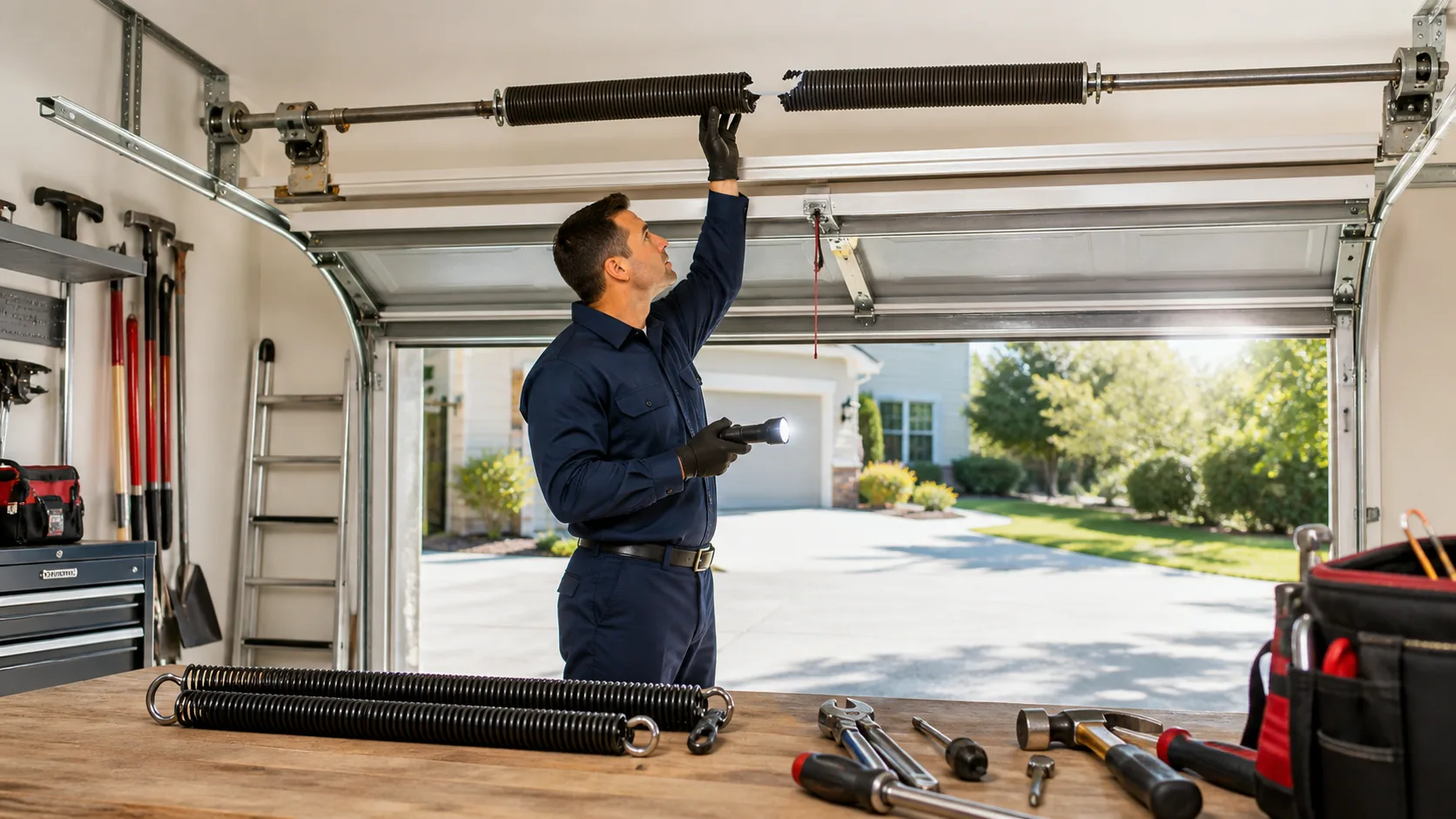
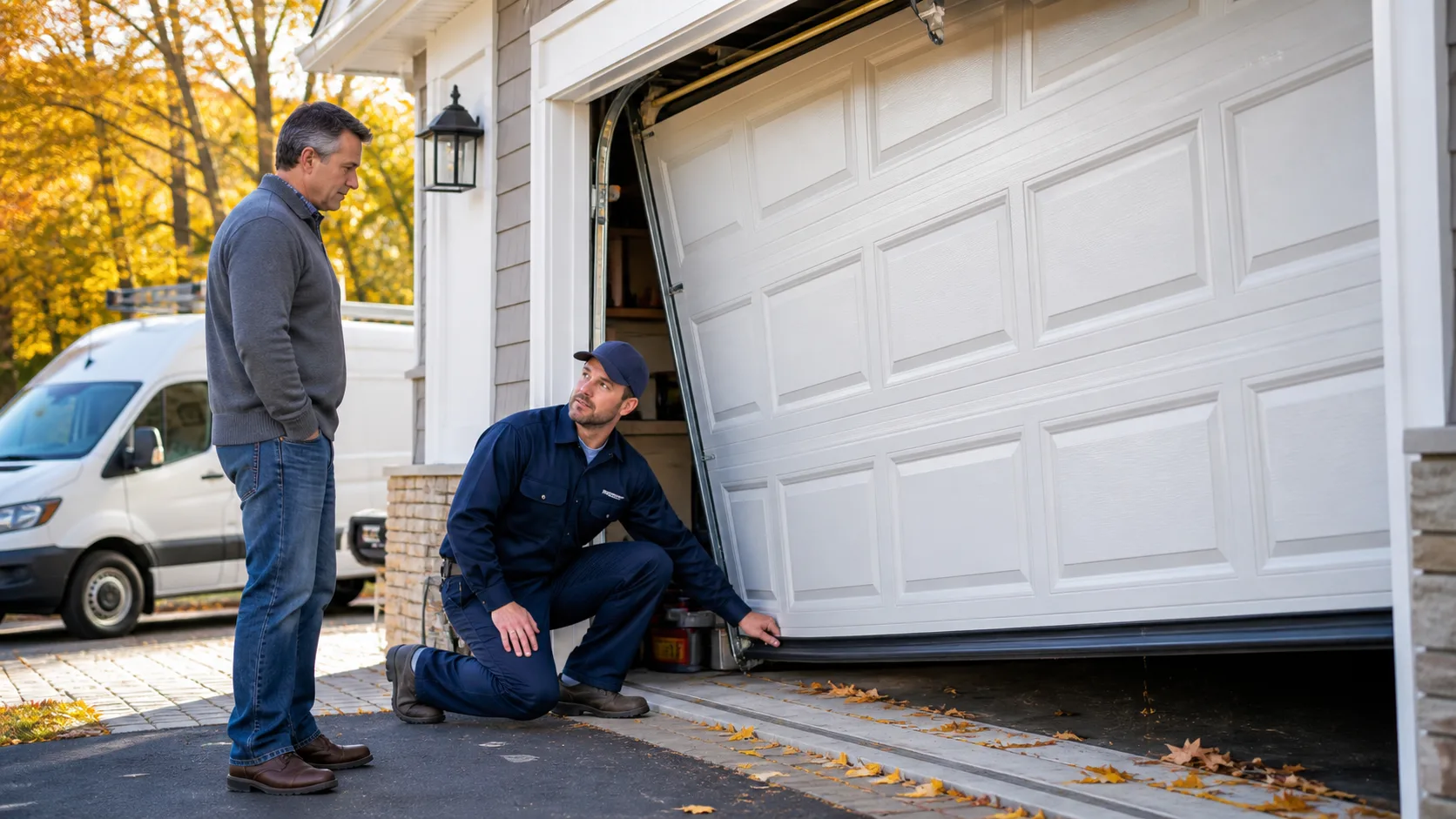
When cold weather sticks around a little longer, it can cause problems in places we don’t always think to check, like the garage door. We know this is a common time of year when homeowners in Buffalo and the surrounding areas start to notice their doors acting strange after a long winter. That shaky movement, slow response time, or screeching sound might seem minor at first, but it often points to bigger issues waiting just around the corner.
Right before spring arrives is when we get the most questions about overhead door repair. By then, the impact of ice, freezing temps, and road salt has already been working behind the scenes. The best way to stay ahead of unexpected breakdowns is to know what causes these issues before they grow into something more serious. Let’s look at the simple but common ways overhead doors can break heading into March and why early spring is a smart time to deal with it.
What Winter Does to Moving Parts
Every part of a garage door works harder during winter, even when everything looks fine on the outside. That slow grind starts with cold air and moisture settling into metal parts like springs, hinges, and rollers. As temperatures drop, these parts contract, which can mess with their balance or build up stress in places that already see a lot of motion day to day.
Here are a few ways winter affects the moving pieces:
- Springs shrink in the cold, which can throw off door tension
- Ice and slush can cause rollers to drag or stick inside the metal tracks
- Hinges get dry or rusty, making the door creak or pop when it moves
Salt used to melt driveway ice doesn’t help either. It gets pushed around on tires or boots and ends up right where the garage door opens and shuts. Over time, it wears down exposed metal and speeds up rust. If debris like gravel or road grit gets into the bottom tracks, it creates more resistance that can cause the opener motor to strain harder than it should.
Moisture that sits around the edges or under the weather seal also has nowhere to go in freezing conditions. It may look harmless, but once it freezes, it presses up against parts that weren’t designed to flex like that. That’s when tiny issues slowly start building into real trouble. Even something small, like light frost along the moving parts, can result in increased stiffness, making it even more difficult for all the door’s parts to move together. Each day that the cold continues, these pieces keep working in less-than-ideal conditions, and the damage adds up.
Signs of Strain That Start in Winter but Show Up in March
By the time March hits, doors that worked fine for months may suddenly feel like they need more effort to move. Many homeowners assume these are just quirks or brushing off some leftover ice, but winter wear usually shows up right as temperatures begin bouncing between freezing and thawing. That back-and-forth cycle exposes problems that have been hiding under all that snow.
Keep an eye (and ear) out for these warning signs:
- Loud bangs or screeches when the door moves
- Jerky or uneven motion up and down the track
- Delayed response when pressing the opener button
Some doors may start sticking halfway or pulling to one side. These are signals that parts like cables or rollers struggled through the cold months and are starting to fail. Most of the time, these issues don’t just go away, even when the ice does. Doors don’t reset themselves when the weather improves, and ignoring the signs almost always leads to bigger repairs later.
We’ve seen plenty of doors stop working suddenly in late March, not because of something new but because winter damage didn’t get noticed until it was too late. Many times, problems first appear as small noises or minor changes, and are easy to overlook after a winter spent indoors. But these small red flags can develop quickly as the door gets more use, making it even more important to stay alert to them as soon as temperatures start to rise.
Why Cables and Seals Often Fail Before Spring
Garage door cables do a lot of the heavy lifting. After months of opening and closing in cold air, they can stretch out just enough to cause trouble. Add in the weight of snow or ice covered doors, and that tension gets pushed more than usual. Eventually, the metal starts to weaken or fray, which leads to failure just when you need the door most.
Weather seals are another weak point this time of year. The rubber that lines the bottom edge of your door deals with freezing temps daily, plus pressure from packed snow, shovels, or even salt spreading under the door line.
Here’s what often happens:
- Seals crack or shrink after months of staying frozen
- Water buildup becomes trapped under the seal and loosens it
- Doors lose their tight fit, letting in more cold air or spring moisture
When these parts start going, the door loses its smooth, weather-protected function. That’s how problems build quietly all winter and show up just before true spring arrives. Even a small gap from a damaged seal can let in much more water as snow melts, risking more damage for the door and everything inside the garage. A tired cable can leave the door hanging or completely stuck, especially as you begin to use it more when the weather warms up. These weak spots are easier to prevent than to fix after the fact, so catching them early this season can pay off in fewer hassles.
When Overhead Doors Are Misaligned After a Long Winter
In Western New York, the freeze-thaw cycle doesn’t just affect the garage door, it can also shift the ground it sits on. As snow melts and water refreezes, concrete can move slightly. A small shift in the slab or base under your garage can throw the entire alignment of your door off.
A misaligned door may not look broken right away, but subtle problems show up with use:
- The door scrapes one side of the frame when it closes
- Tracks start to warp or bend slightly under pressure
- Openers rev louder as they struggle to handle added resistance
Sensors can also fall out of sync if they get bumped or if the space shifts underneath. All these small misalignments add strain to the motor system, rollers, and cables. Even if the door mostly works, these hidden problems tend to show themselves just when the weather gets better and you rely on the garage more often.
This is one of the most common reasons we see overhead door repair requests in late winter and early spring. What feels like a slight tilt turns into a door that doesn’t budge all of a sudden. The first sign might just be the door dragging along the floor, and before you know it, the opener can’t move it or the cables slip out of place. That’s why catching realignment issues early, even before you see big changes, is always better.
A Good Time to Stop Problems Before They Get Worse
Late winter in Buffalo, NY, gives us a short window of time before the garage takes on even more work. Between rain, warmer temperatures, and more frequent use during spring projects or weekend outings, that door stays busy. Taking time now to spot winter wear is one of the easier ways to avoid surprise breakdowns later.
Most of the issues we covered, strained springs, shot cables, cracked seals, or misaligned tracks, don’t appear out of nowhere. They start during winter and rise to the surface as things start to thaw. The sooner they’re checked, the better off your system will be once spring is in full swing.
A little attention before March fades can mean one less headache hanging over your weekend plans. It saves time, avoids damage, and means you’re not stuck with a door that quits during the first warm spell when life finally starts picking up again.
Has your garage door been acting up since winter? Now’s the perfect time to schedule an inspection before minor problems grow into bigger hassles. Cold weather can put extra strain on cables, rollers, and other parts, and around this season, we see a lot of repair needs throughout Buffalo, NY, and nearby communities. Our team provides reliable service and fast scheduling for local homeowners. Spotting signs of wear? Let us handle your spring maintenance and any needed overhead door repair. Contact Barlett Overhead Door and get your garage back on track.