Keep Your Garage Warmer Before Buffalo Winter Hits
A garage door can have a bigger effect on your home’s comfort than you may expect. Late October weather can change quickly around Buffalo, with cold air, wind, and snow arriving before many people feel fully ready. While you may be thinking about your furnace, windows, and weatherstripping, it also makes sense to look at one of the largest moving exterior barriers on your home, the garage door.
The choice between an insulated and standard garage door is not the same for every household. Consider comfort, energy efficiency, noise control, durability, and budget based on how you use your garage and how it connects to the rest of your home.
Compare Insulation, Budget, and Everyday Comfort
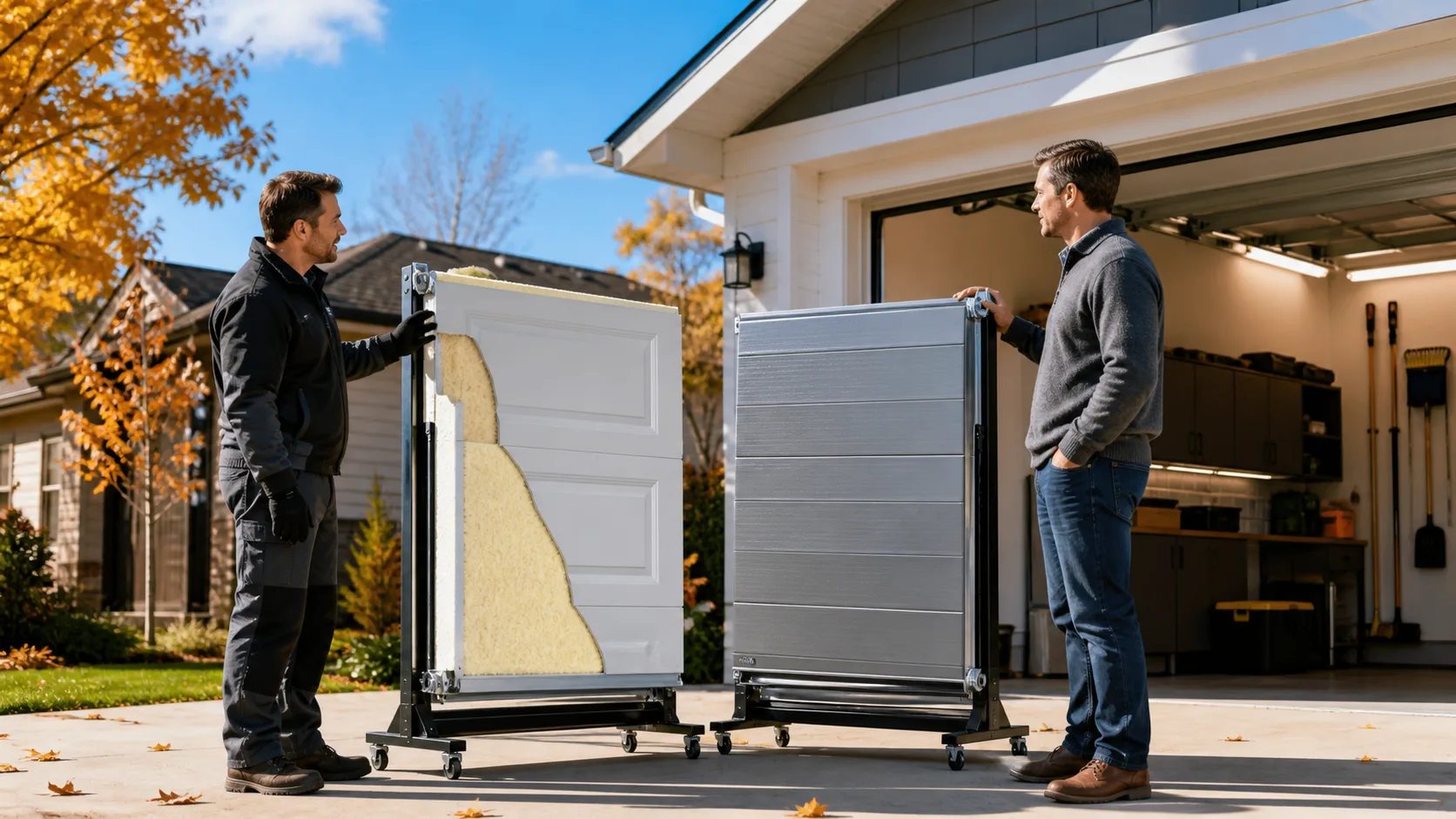
An insulated garage door has layers that help slow the movement of heat and cold. Many insulated doors use steel outer layers around an insulation core. A standard door may have one layer of steel, aluminum, or another material without that added core.
You may hear us discuss a door’s R-value when comparing options. R-value is a measure of thermal resistance, and a higher R-value generally means the door provides more insulation. It is one useful detail, but it is not the only thing that matters. The door’s fit, weather seals, construction, and condition also affect how well it performs.
Insulation can make a noticeable difference when your garage is connected to your home or sits below a bedroom, living room, or other finished space. It can also make the garage more comfortable if you use it for projects, exercise, storage, laundry, or as your usual way into the house.
An insulated door may be a good fit when you want:
- Less cold air moving into an attached garage
- A quieter door during daily operation
- A more comfortable space for hobbies or household tasks
- Stronger multi-layer construction for regular use
Standard garage doors still have a place. They are often a practical option for a detached garage used mostly to protect vehicles and belongings. If the space is rarely occupied and does not share walls with your home, basic protection may be the main priority.
Before choosing, we encourage you to think beyond the first decision. A door that better matches your routine may provide more day-to-day comfort over time, especially through long stretches of cold weather.
Match Door Construction to Your Home and Routine
How you use the garage is often the clearest guide. If you spend time there on weekends, bring groceries through the garage, or keep temperature-sensitive items inside, insulation may be worth stronger consideration. A standard door can be sufficient when the garage is separate from the home and used only occasionally.
Western New York winters can be hard on garage doors. Freezing temperatures, moisture, snow, and wind may reveal weak seals, worn hardware, or aging panels. Insulated models often have multi-layer construction that can feel more solid during operation, though the right choice still depends on the door style and your garage setup.
Insulation is only one part of a well-planned door. During garage door installation services, we look at the complete system so the finished door fits your needs rather than simply filling the opening.
Details worth discussing include:
- Door material and panel construction
- Bottom seals and perimeter weatherstripping
- Windows and reinforcement needs
- Hardware condition and opener compatibility
- The appearance of the door alongside your home
A door can have a good insulation rating and still leave you disappointed if it is poorly fitted or has damaged weather seals. Proper sizing, balanced operation, and dependable hardware all matter when cold weather arrives.
Plan Garage Door Installation Services Before Winter
Fall is often a sensible time to consider replacement because it gives you room to make decisions before winter weather becomes part of everyday life. Choosing a style, reviewing available door options, and arranging professional installation can feel much less stressful before a storm exposes a problem.
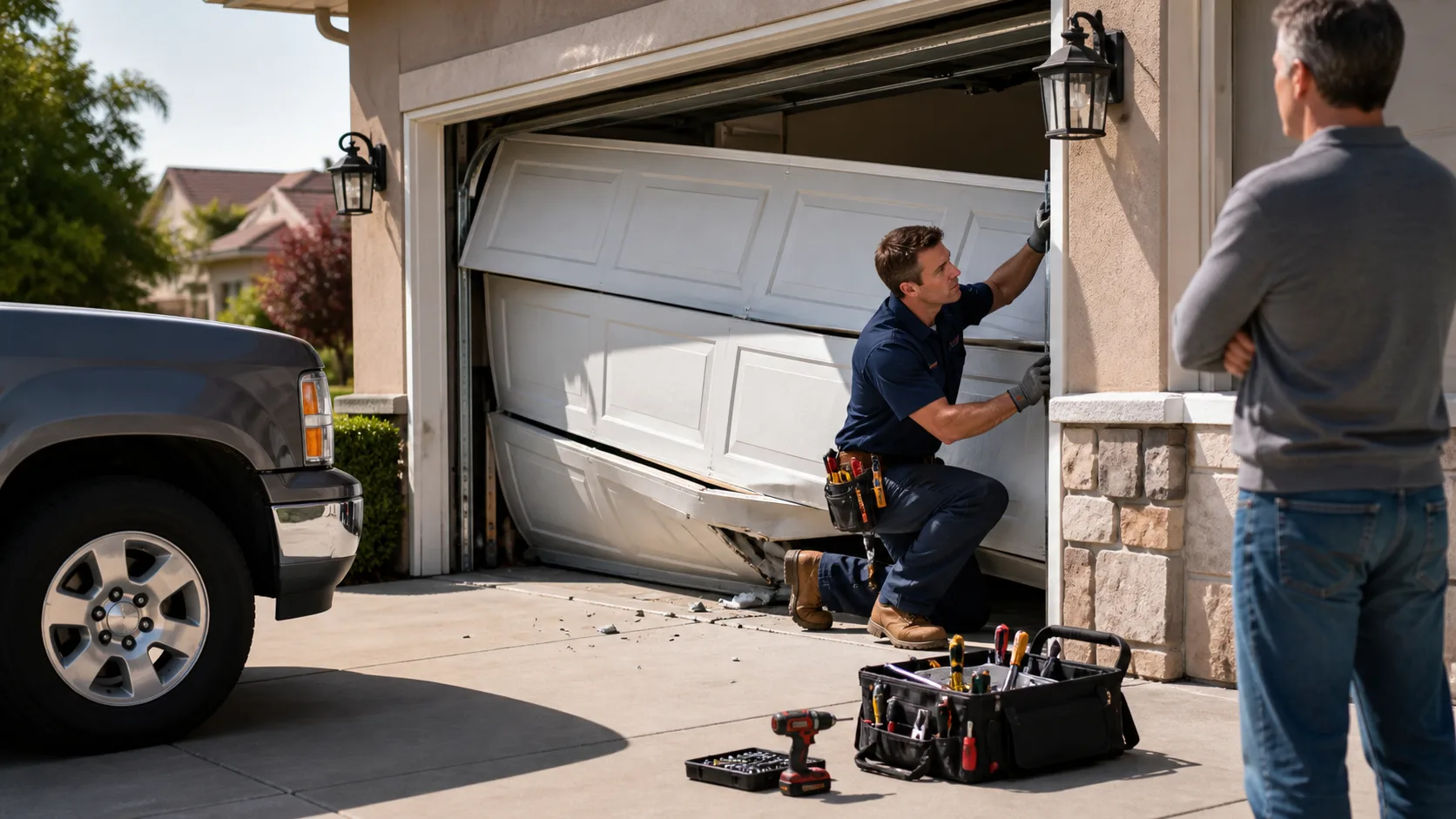
Your current door may be giving you signs that it needs attention. Small gaps and extra noise can become much more frustrating when temperatures drop. A door that sticks or strains may also be more likely to leave you dealing with an unexpected issue when you need it most.
Keep an eye out for concerns such as:
- Rust, dents, cracks, or damaged sections
- Gaps around the sides or bottom of the door
- Sagging panels or uneven movement
- Loud operation, sticking, or frequent reversals
- Worn weatherstripping or trouble with the remote
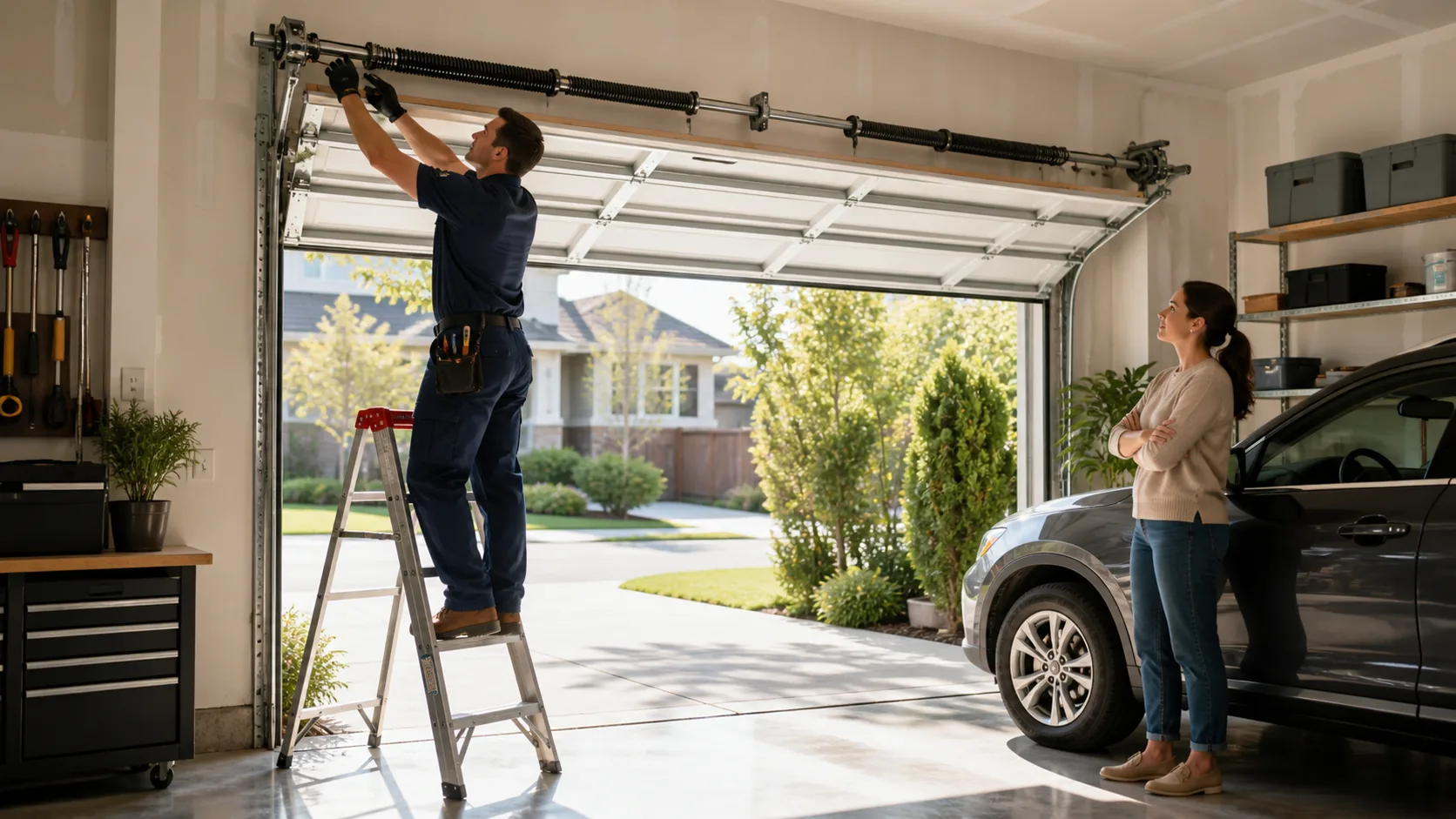
Professional garage door installation services help make sure the door is installed, balanced, sealed, reinforced, and matched correctly with the opener. Those details support safe, reliable operation and can help prevent the inconvenience of a door that will not open or close during a cold spell.
Schedule a Pre-Winter Door Assessment Today
The best choice comes down to how your garage works for your household. An insulated garage door can make sense when comfort, noise reduction, attached-garage efficiency, and stronger construction matter most. A standard door may be a sensible choice when you need basic protection for a detached or lightly used garage.
Before winter weather settles in, it is helpful to have a trained professional assess the condition of your door, seals, hardware, and opener. Repairs, maintenance, replacement weatherstripping, or a new door may each be the right answer depending on what the inspection finds.
Find the Right Door for Winter Comfort
Barlett Overhead Door can help you compare materials, insulation levels, and features that fit your home and winter needs. Explore our garage door installation services to see how we can support your next upgrade. When you are ready to discuss your options, contact us for knowledgeable guidance.