When your business depends on smooth loading and unloading, even a minor problem with your dock door can throw off your entire schedule. Late shipments, safety concerns, wasted time—issues add up quickly. That’s why loading dock door problems aren’t something to ignore. If you’re running a business in Western NY, where changing weather and heavy use are common, these doors take a serious beating. Catching small problems early can help keep things moving and avoid bigger headaches later.
August is a good time to pay extra attention. Summer storms, humidity, and temperature swings can all impact door mechanics. A stuck or slow-moving door in a warehouse or commercial setting can delay deliveries and hurt productivity. Knowing what to look out for and how to react can save time and frustration. Let’s break down a few of the most common loading dock door issues and what business owners in Buffalo and across Western NY can do right away.
Common Loading Dock Door Problems
Loading dock doors handle a lot—frequent open and close cycles, temperature shifts, and exposure to wind and water. Mix that with heavy truck traffic and daily wear, and things are bound to break down eventually. The key is knowing what problems tend to pop up and spotting them early.
Here are a few of the most common loading dock door issues that come up in commercial spaces:
1. Stuck or slow-moving doors: Roll-up doors that don’t move smoothly or stall halfway can be traced back to track obstructions, debris, or bent rollers. Humidity can also cause issues if parts expand in the heat.
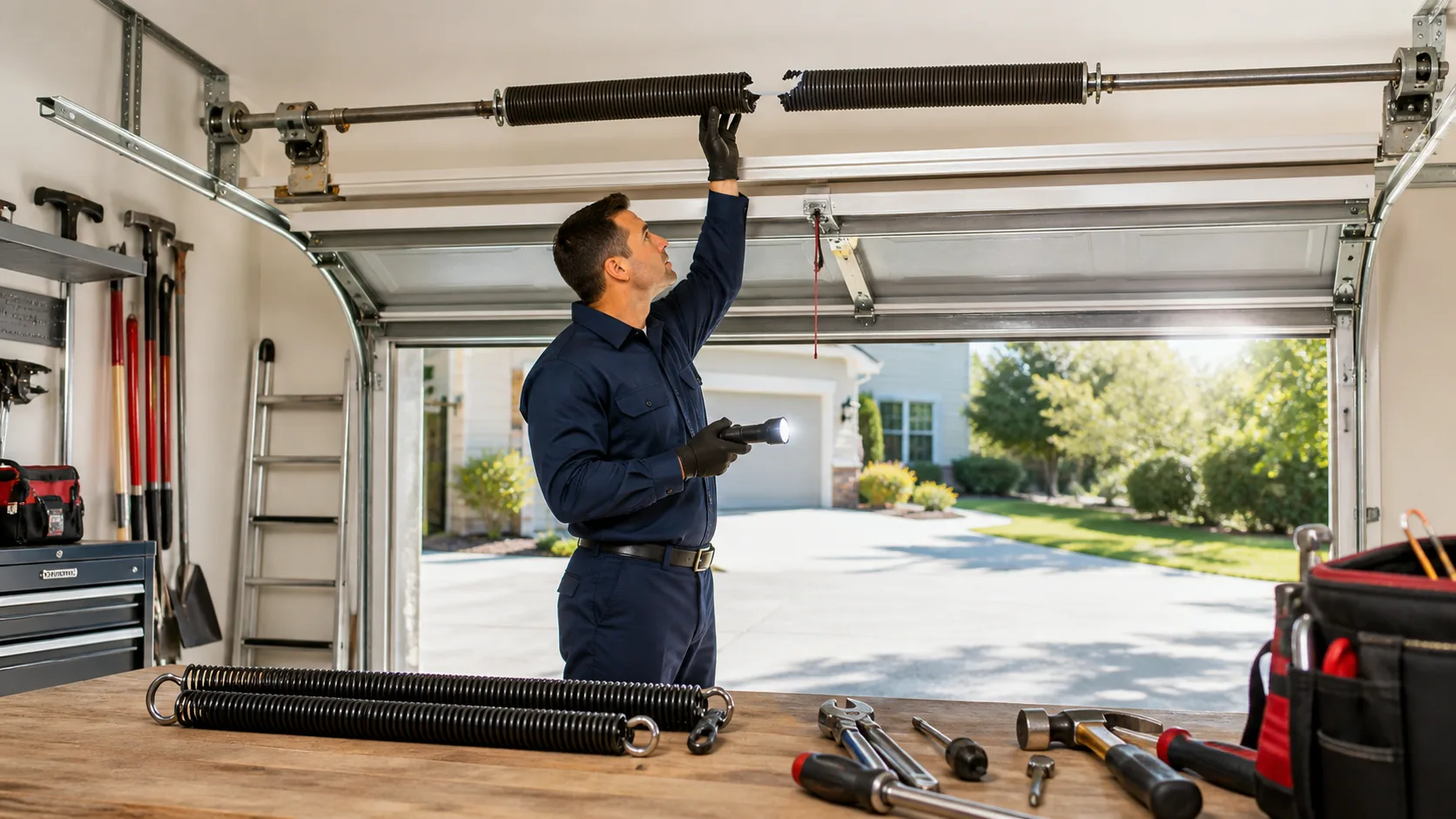
2. Broken springs or cables: Torsion springs do a lot of heavy lifting, and once they break, the door either won’t open at all or slams shut. Frayed cables are another sign that immediate help is needed.
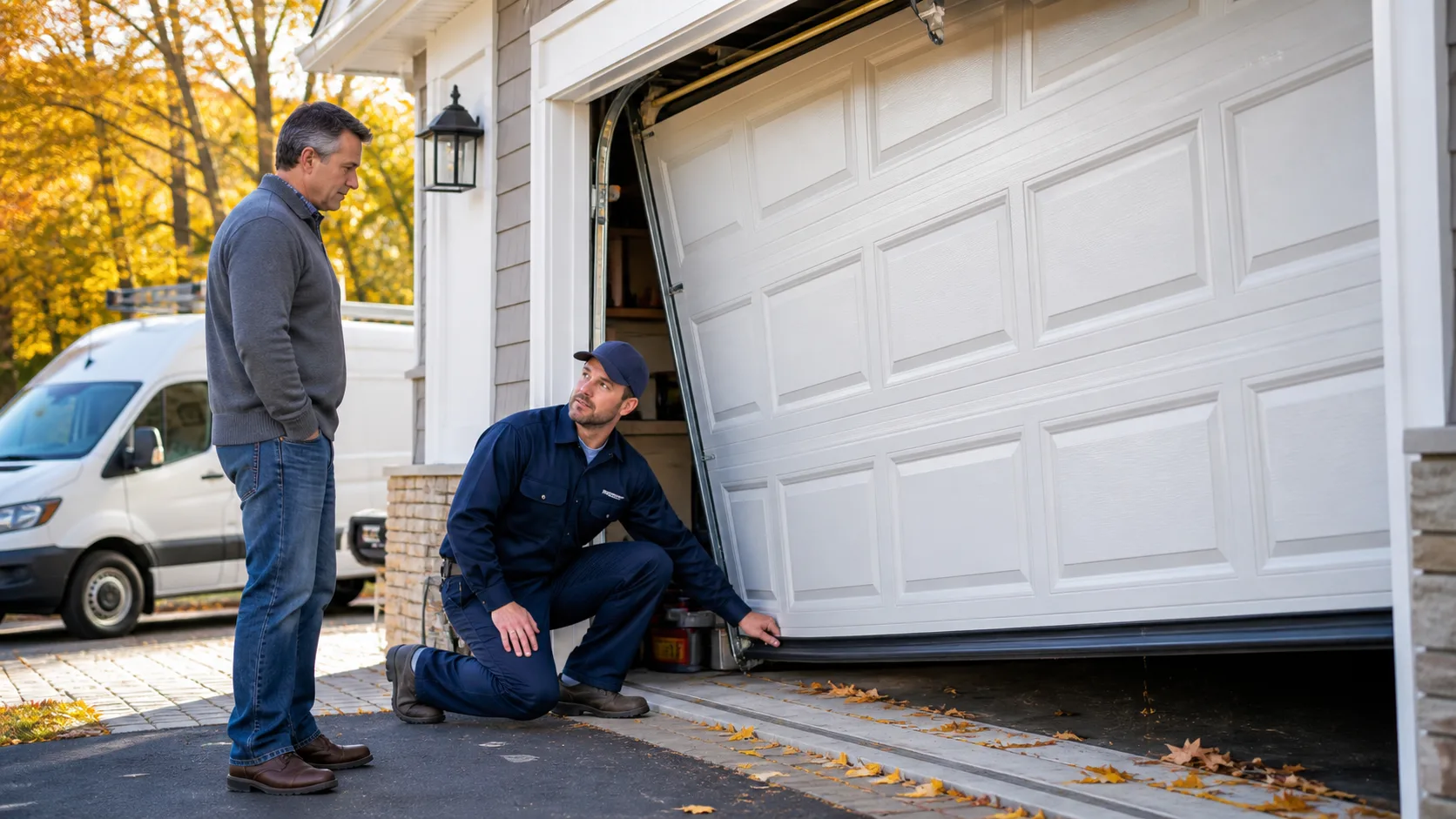
3. Damaged door panels: Forklifts, pallets, and handtrucks can easily dent or crack panels during loading. This isn’t just cosmetic—it can affect how well the door seals and operates.
4. Sensor or control problems: If doors don’t close all the way or won’t respond to the usual signals, the controls or sensors may be the issue. Power surges, moisture, or improper alignment can all throw them off.
5. Worn weather seals: These keep out drafts, water, and rodents. When they wear down, issues with insulation and energy efficiency start to follow quickly.
One warehouse manager in Buffalo had a loading bay door that would randomly stop halfway through opening. Turned out, leaves and packaging debris had collected in the track over the summer, and rollers were getting jammed. A quick cleaning cleared it up before a busy delivery week kicked off, avoiding a delayed shipment situation.
Problems like these don’t always mean full replacement is needed. But ignoring them can lead to much bigger repair costs later. Handling small trouble areas fast keeps equipment working and downtime short. Next up, we’ll go over a few quick fixes that might buy you time before a technician can come out.
Quick Fixes For Minor Issues
Some loading dock door problems don’t need a complete overhaul. When an issue pops up, knowing a few steps to take while waiting on a technician can make a big difference. While it’s best not to handle major mechanical parts on your own, a basic once-over can help get things moving again or at least keep something from getting worse.
Here are a few simple things business owners can check:
1. Remove obvious obstructions: Packaging debris, leaves, or built-up grime on the tracks can stop a door from opening or closing properly. Clear the area and make sure the track is clean.
2. Reset the power: If the door isn’t responding, try turning off the power to the opener briefly, then turning it back on. In some cases, it’s a harmless glitch that clears up with a reset.
3. Check the alignment of sensors: A sensor light that’s blinking or off might just be misaligned. If safe to do so, gently reposition it until the beam lines up again.
4. Inspect for visible damage: Look for anything loose, bent, or cracked that could be making contact during operation. Take notes so you can share accurate info with the technician later on.
One delivery center in Buffalo had trouble with a door slamming shut right after opening. A quick inspection showed a busted cable on one side. They shut off access to the bay and called for service, avoiding a bigger mess and keeping the rest of the docks on schedule. Acting fast can prevent one small problem from stalling the entire operation.
Preventative Maintenance Tips For Buffalo Businesses
Weather and wear go hand in hand for loading dock doors in Western NY. High temps, icy days, wet springs—each season brings its own test. Keeping your dock doors running longer means giving them seasonal checkups and some basic attention all year round.
Here’s a useful checklist to follow throughout the year:
Late Summer/Early Fall
– Clean door tracks and inspect for plant debris
– Test sensors and replace corroded batteries or wires
– Lubricate rollers and hinges
– Check weather seals for wear before cold weather hits
Winter
– Clear away snow around the base of the door
– Make sure seals haven’t cracked or loosened
– Avoid using de-icers that corrode metal parts
Spring
– Inspect for rust or corrosion caused by winter salt
– Re-test the opener and adjust limits if the door’s movement has changed
– Tighten any loose bolts or brackets
Summer
– Look for signs of heat damage or expanded parts
– Ensure ventilation fans in loading areas are working properly
– Clean out cobwebs or buildup from corners and edges
Performing checks at the start of each season builds a habit. Not only does it help avoid surprise breakdowns, but it can catch small problems before they turn into something more expensive in both time and repair costs.
When Professional Help Becomes Necessary
Even with the best upkeep, loading dock doors don’t run forever without occasional help. Some signs tell you it’s time to call in trained hands. Ignoring them only extends the downtime and may lead to safety problems that aren’t worth the risk.
Here’s when to skip the inspection yourself and bring in a pro:
– The door won’t open or close at all, even after power reset
– You hear grinding, loud bangs, or something feels off during movement
– A spring or cable broke or shows signs of strain
– Panels no longer line up or are visibly dented
– Seals are pulling away and allow in water or rodents
If any safety features, like sensors or emergency stops, stop working, don’t wait. These aren’t just convenient—they’re built to protect your property and people. Buffalo weather alone can wear things down fast, even between checkups.
A good technician can spot more than what’s right in front of you. They can tell if seasonal changes have stressed your setup or if adjustments are needed to meet the demands of your loading schedule. Getting on a recurring maintenance plan also helps take the guesswork out of all this.
Keep Operations Moving Smooth Through Every Season
It doesn’t take much for a loading dock to go from busy to backed up, and a faulty door is often all it takes. Staying alert to smaller issues, knowing how to react fast, and giving your gear regular attention saves a lot of problems down the road. Repair jobs cost time. Missed deliveries cost trust. Neither helps when you’re trying to keep things running smoothly.
Every business in Western NY has its own rhythm, but one thing that stays the same is the weather. From hot August days to deep winter cold, loading dock doors in this area deal with a lot. Treating them like the working equipment they are, not something that just opens and shuts, goes a long way. Being proactive now can help you avoid the scramble later.
For those experiencing issues with their loading dock doors, don’t let small problems turn into big headaches. Ensure seamless operations by addressing any overhead door repair needs promptly. At Bartlett Overhead Door, we understand the unique challenges faced by businesses in Western NY. Trust our experienced team to keep your doors in top shape, ready to withstand the demands of every season.