As summer winds down and fall creeps in, it’s the perfect time to get ahead of garage door issues before Buffalo’s colder months roll in. The weather can shift quickly in Western New York, and if your garage door isn’t ready for it, you could run into problems that are a lot more annoying and expensive than they need to be. Seasonal maintenance helps you catch small problems early and keep everything working smoothly as temperatures drop.
During the fall, we tend to get wind, rain, and falling leaves, and that’s before winter shows up with freezing temperatures, ice, and lake-effect snow. A few simple checks and adjustments now can go a long way in keeping your garage door from sticking, squeaking, or cracking when you need it most. Below is a breakdown of the key steps every homeowner in Buffalo should take to prepare their garage door for fall.
Clean and Inspect the Door
Start by clearing up any dirt or debris on the outside of the garage door. Summer storms and grime from the road can build up on the surface, especially at the bottom near the driveway. Use mild soap and water with a soft cloth or sponge, working from top to bottom. Rinse with a hose and let it air dry.
Once the door is clean, give it a closer look. Walk around and check for:
– Cracks or dents in the panels
– Peeling paint or surface rust
– Loose screws or hinges
– Bending or warping near the bottom edge
Pay extra attention to any rust spots. Buffalo’s winter roads get treated with salt, and that salt can get kicked up onto your garage from your tires. If you let rust sit, it can stretch and eat through the metal or weaken the door’s structure.
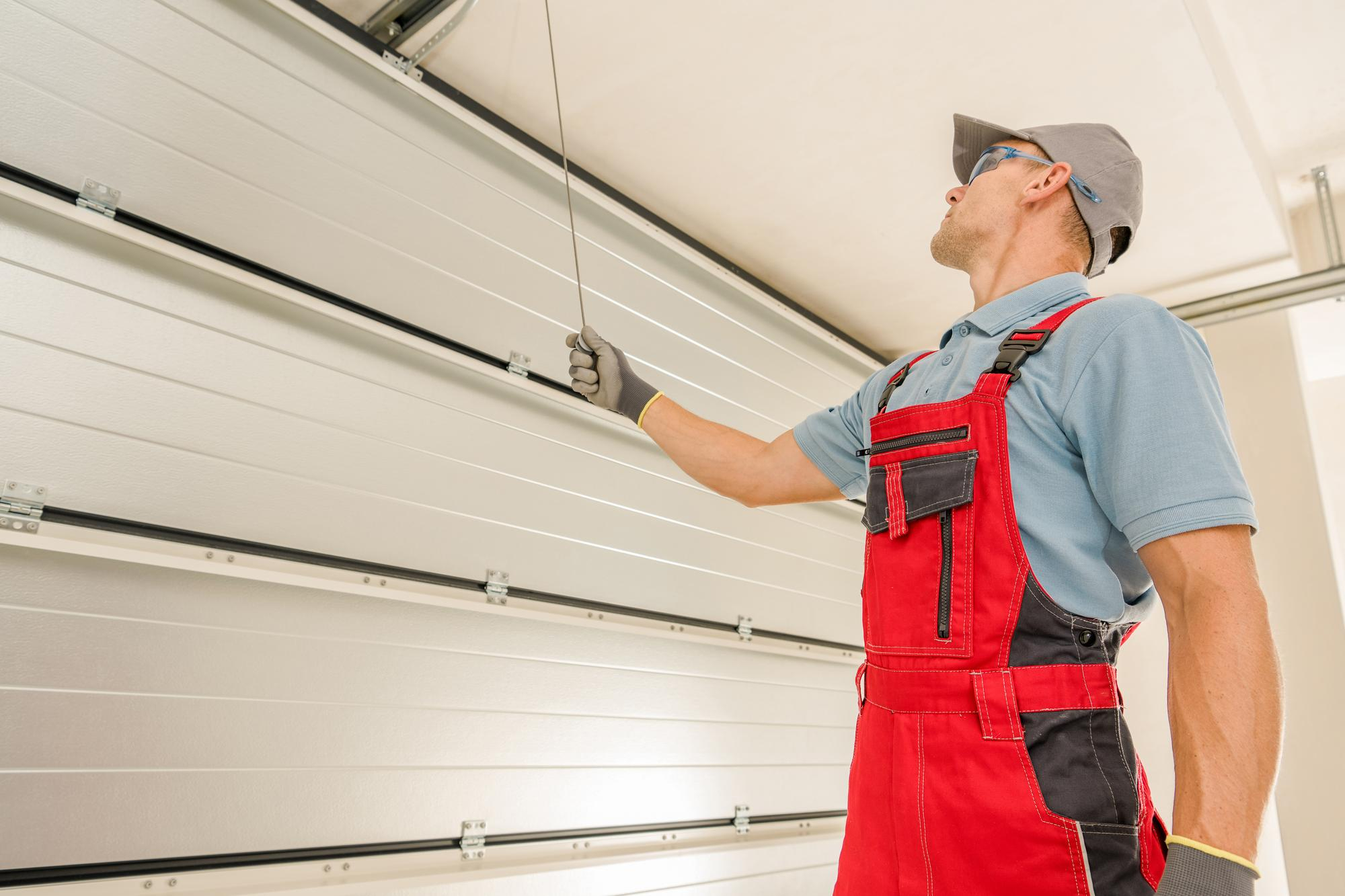
Also, open the door fully and examine the inside. Use a flashlight to look for gaps in the seams or any daylight showing through places it shouldn’t. If the door feels heavier than usual or makes strange noises when it moves, there might be wear building up in the moving parts.
Checking early saves you from bigger problems later, especially when repair appointments get harder to book during the colder months.
Lubricate Moving Parts
Once the visual check is done, it’s time for some simple maintenance. A dry or squeaky door is trying to tell you something. The moving parts in your garage door system work hard year-round and should move smoothly for everything to operate safely.
Grease tends to dry out in the summer heat, and by the time fall rolls around, metal-on-metal contact might already be wearing things down. Here’s a quick list of parts that should be lubricated every few months:
1. Hinges (where the sections of the door bend)
2. Rollers (especially if they’re made of metal)
3. Springs (extension or torsion)
4. Bearings and end plates
5. Tracks (just a light coating—don’t overspray here)
Use a garage door-specific lubricant. Avoid heavy grease that can collect dust or freeze up when the cold hits. If you hear grinding, rattling, or scraping sounds, something may need more than a quick spray. In that case, it’s time to get a professional to check it.
Try opening and closing the garage door a couple of times after applying the lubricant. It should move smoother and quieter. For example, a homeowner in Buffalo recently added lubricant right after one odd squeak started up. That tiny fix kept their rollers from seizing up completely once temperatures dropped.
Doing this now, before the chill sets in, means your door will be less stressed and more reliable when it’s opening on cold mornings. Skipping it could leave you with a stuck door just when you’re rushing out.
Check and Replace Weather Stripping
Weather stripping might not seem like a big deal, but it plays a big role in keeping your garage protected from the elements. As fall rolls in, cold air and moisture find their way into any small gap they can reach. A worn-down strip at the bottom of your garage door can let in drafts, water, and even pests looking for a warm spot before winter.
Start by lowering your garage door and checking the bottom edge and sides in full daylight. If you see light shining through, feel a breeze coming in, or notice obvious cracking or bits flaking off, it’s time to replace it. Most weather stripping is made of rubber or vinyl, and both can dry out fast once temperature swings start to hit.
To check for damage:
– Run your hand across the bottom seal to feel for hard spots or breaks
– Peel up a corner and see if it’s starting to detach
– Look for gaps between the door and floor when it’s fully closed
Replacing it isn’t complicated, but it does require a proper fit and alignment. Slide-in seals and nail-on types are common. Make sure to take a short video or photo of the type and size if you plan to get a replacement or schedule a service call. Also, check the door frame seals along the sides and top while you’re at it. If anything looks loose or flattened, it should go too. A Buffalo homeowner once found a frozen puddle in their garage in early November—all because of a weak bottom seal that no one thought to replace after the summer.
Fresh weather stripping helps hold in warmer temperatures and keeps everything from salt to slush outside where it belongs.
Test the Door’s Balance and Auto-Reverse Feature
Garage doors are heavy, and they need to stay balanced to open and close properly. A door that’s out of balance puts stress on the opener and wears it out faster. It can also damage the track or springs before the real cold hits.
Here’s how you can tell if your garage door is out of balance:
1. Disconnect the automatic opener by pulling the manual release cord (usually red)
2. Slowly lift the door halfway and let go
3. A balanced door should stay in place, or move just a little
4. If it drops fast or shoots up, the tension is off
If your door moves too easily or slams shut, it’s time to get it looked at. Trying to adjust springs and cables yourself is risky, especially when tension is involved. This is one of those areas where calling a technician is the right move.
Next up is the auto-reverse test. This feature helps the garage door stop when it touches something, which is key for safety, especially with kids or pets around. To check:
– Open the garage door
– Place a sturdy object (like a wood block) where the door would close
– Close the door with the opener
If the door doesn’t reverse when it touches the object, or doesn’t stop at all, the sensors or motor may need to be checked. Some garage door systems also have photoelectric sensors near the ground. While the door is closing, wave something between them to make sure it stops.
Both tests take just a few minutes and could prevent serious accidents or damage.
Arrange a Professional Inspection Before Winter
Even if everything seems to be working fine, there are parts of your garage door system that are hard to inspect without the right tools and experience. A professional inspection is a good step before the snow starts flying. It gives you a heads-up if certain parts are starting to wear out and can help avoid emergency breakdowns later.
During a full inspection, technicians will look at:
– Tension in the springs
– Wear along the cables
– Condition of the rollers
– Proper settings in the opener
– Alignment of the safety sensors
– The condition of the motor and other moving parts
They might catch a frayed cable or a straining motor that you couldn’t see. A yearly inspection can add years to the life of your system and prevent problems when it’s ten degrees and everything is frozen. Getting your system tuned up before the heavy snow falls makes everything a lot more dependable through the winter.
Buffalo winters can be tough. A quick check-up now helps make sure your garage door can deal with everything from snow buildup to ice without letting cold air in or locking you out.
Smart Preparation for Buffalo’s Shifting Seasons
Keeping your garage door in shape doesn’t have to be a hassle. Simple steps like cleaning, checking your weather seals, testing how it moves, and booking a fall inspection can save you from unwelcome surprises in the dead of winter.
Doing this in September gives you a buffer before the weather takes a sharp turn. When the first real chill rolls through Buffalo, your door should already be running smoothly and sealed tight against the cold. A little time spent now can mean fewer setbacks when you least expect them.
Getting ahead of seasonal garage door care is a reliable way to protect your home and your schedule when winter weather hits.
As the seasons change, don’t let your garage door become a problem during the harsh Buffalo winters. Whether your door needs a tweak or a thorough check, Barlett Overhead Door is here to help. Learn more about scheduling reliable garage door repair in Buffalo. Let our experts ensure you’re ready for whatever the weather brings. Get in touch today for expert support and peace of mind.