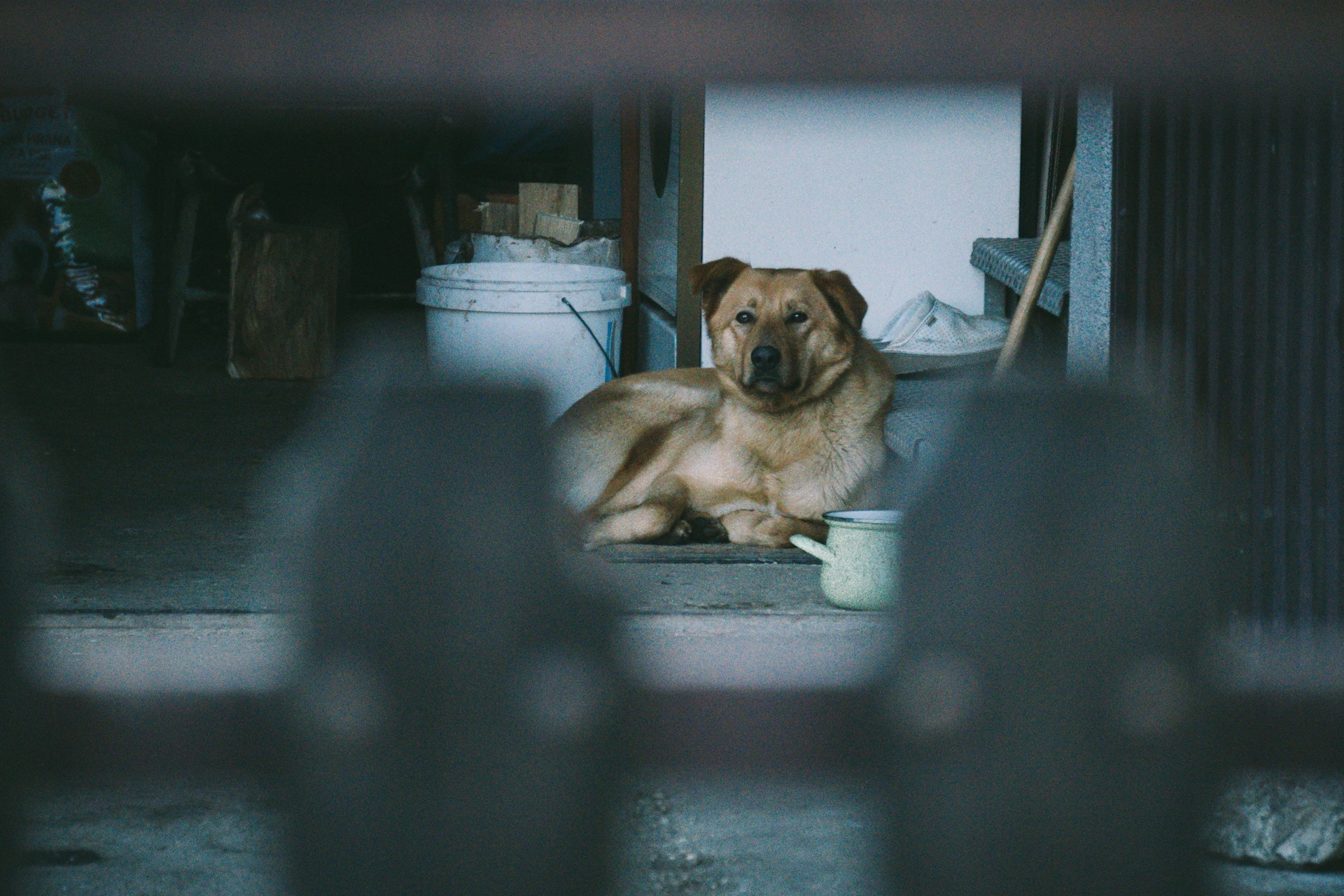
If you have pets at home, chances are you’ve wondered whether your garage door could be a danger to them. Pets are curious and sometimes a bit too quick around moving doors, which makes the garage a spot to watch closely. Whether it’s a cat who loves to nap near the warm concrete or a dog that dashes in unexpectedly, a garage door should never be a safety gamble.
As colder weather creeps in around Buffalo, garage doors tend to get more use as families keep kids and pets indoors. That’s why it’s a good time to think about whether your door is safe for all members of the household, including the four-legged ones. From sensor systems to manual controls, there are a few features that can make a big difference in keeping things safe and stress-free.
Safety Sensors And Auto-Reverse Mechanism
One key feature that helps protect pets around the garage door is the sensor system. These are usually placed near the base of the door tracks. They work by sending a beam of light across the doorway. If something blocks that beam, like your cat strolling through or your dog stopping mid-run, the sensor tells the door to stop or reverse.
This system relies on keeping the sensors clean, aligned, and functional. If they’re blocked by leaves, dirt, or ice buildup, the beam may not work right. That’s why checking them regularly, especially before winter hits hard in Buffalo, helps avoid risky situations.
The auto-reverse mechanism adds another level of safety. If the door hits anything while closing, like your pet’s tail or a forgotten toy, it instantly changes direction and lifts back up. This is tied to the pressure detection features in the opener system. If it feels resistance, it doesn’t force its way down. It backs off. This helps prevent accidents when pets are lying down and go unnoticed from a distance.
Important points to remember about sensors and auto-reverse systems:
– Make sure sensors are mounted correctly, typically no more than 6 inches off the floor
– Clean the sensor lenses with a soft cloth to keep them detecting properly
– Test the door using a roll of paper towels or small box to see if it stops and reverses
– If your pet hesitates around the door, it might be too loud or feel too harsh
These features don’t guarantee perfect safety, but they come close. When combined with regular checks and mindful use, they lower the chances of a pet-related accident near your garage door.
Quiet Operation Features
Your garage door might be technically safe, but if it’s loud or jerky, it can still frighten pets. A noisy, screeching door might send your dog barking or cause your cat to hide under furniture. Repeated reactions like these can lead to confusion or even accidents around the garage.
A quieter garage door isn’t just about peaceful mornings for homeowners. It’s about helping your pets feel calm in a place they can’t always avoid. Newer garage door openers that use belt drives instead of chains are much smoother. These rubber belts reduce rattling sounds and vibrate less. Nylon rollers also make a huge difference, since they glide better than their metal counterparts.
This is helpful in Buffalo during fall and early winter, when doors open and close more often as people stay inside and travel by car. Plus, as windows and doors remain shut to block out the cold, indoor sounds are even more noticeable to your pets.
Here are some ways to keep your garage door quieter and easier on pets:
– Upgrade to a belt-drive opener to reduce clatter
– Use nylon rollers for smoother travel up and down the tracks
– Make sure the door is properly balanced to stop jarring movements
– Lubricate parts to cut down on grinding noises
If you’ve noticed your pet has developed a routine of hiding or running when the garage activates, chances are the door could use some work. A few adjustments can help both you and your animals feel more at ease.
Manual Control Options That Help Keep Pets Safe
Power outages or motor failures can create unexpected problems. If your pet is nearby and something goes wrong with the garage door, seconds matter. That’s why manual control features are worth thinking about, especially when pets are part of the family.
Quick access to handles, and easy-to-use release cords make a difference. If there’s a power failure during a winter snowstorm and your garage door won’t budge, it shouldn’t take a hardware lesson to open it safely. Pet-friendly manual controls let you act fast without needing tools or creating confusion.
Good placement matters, too. Make sure manual releases and handles are in plain sight and reachable without climbing over stuff. Give everyone in the house, even older kids, a quick walk-through of where emergency controls are and how they work. Knowing who can act and how could save your pet from a serious scare or injury.
Some manual control tips:
– Pick openers with easy-to-use emergency release options
– Use well-marked and accessible handles
– Make sure controls are kept clear of storage items
– Teach all family members where the manual release is
If your pet is known to bolt for the door during a storm or loud sudden sound, manual overrides can add that little extra peace of mind.
Regular Maintenance Matters More Than You Think
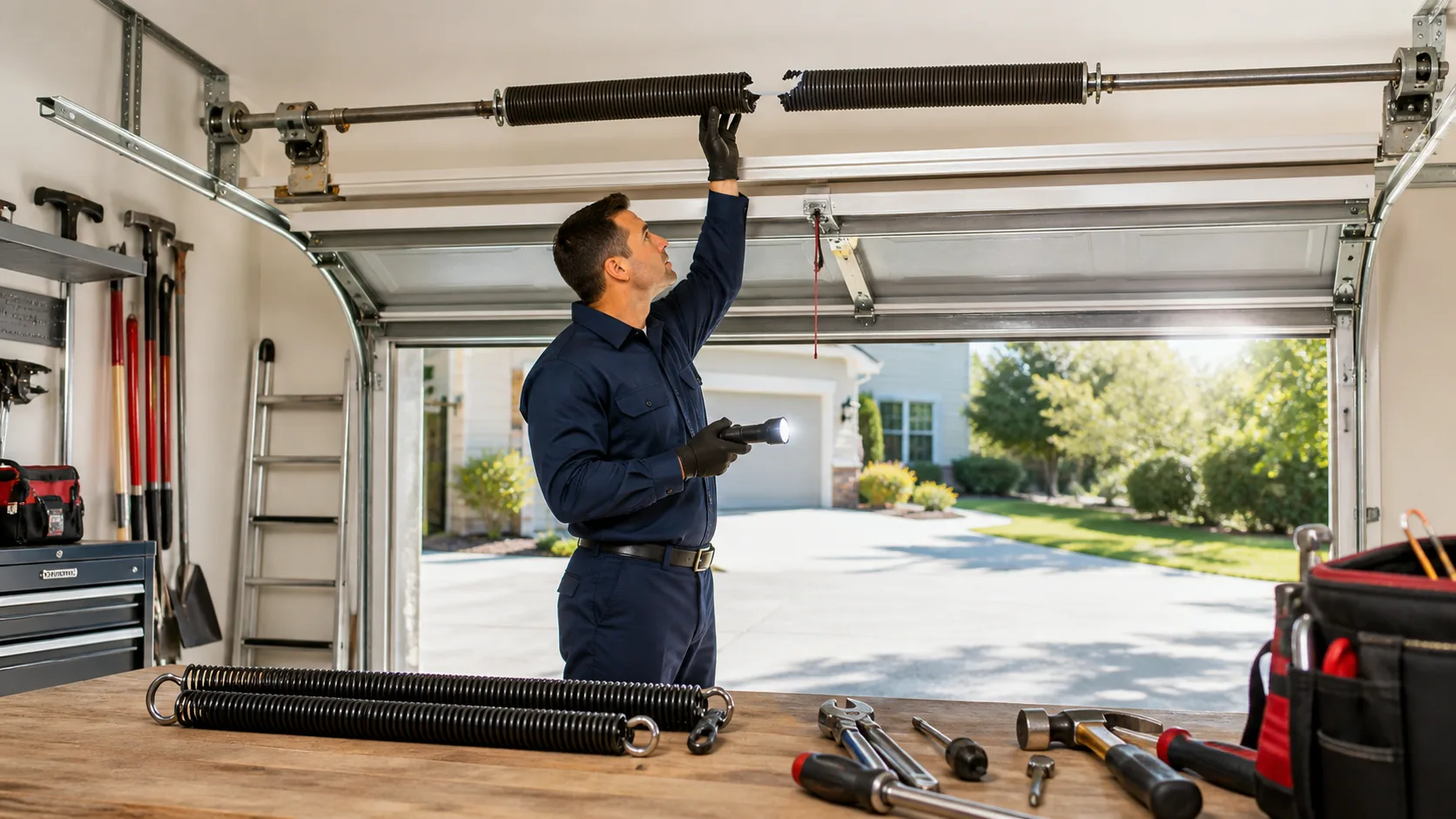
Garage doors tend to get overlooked until something breaks. But simple maintenance can protect everyone at home, pets included. Small issues like loose tracks or rusty springs can snowball into problems that increase the risk of harm.
A solid maintenance plan makes sense—especially as Buffalo’s winter approaches in November. When temperatures dip and parts freeze, systems that were just a little off can quickly stop working. Snow and ice buildup can also block sensors or freeze rollers.
A short checklist before and during winter can make a big difference in both door function and pet safety:
– Wipe down and clean door sensors every few weeks
– Test whether the door is properly balanced to avoid slamming
– Listen for grinding, squeaking, or lag when the door opens
– Look for any buildup in the tracks and clear it
– Lubricate moving parts with cold-weather-rated spray or oil
– Test both the auto-reverse function and manual overrides
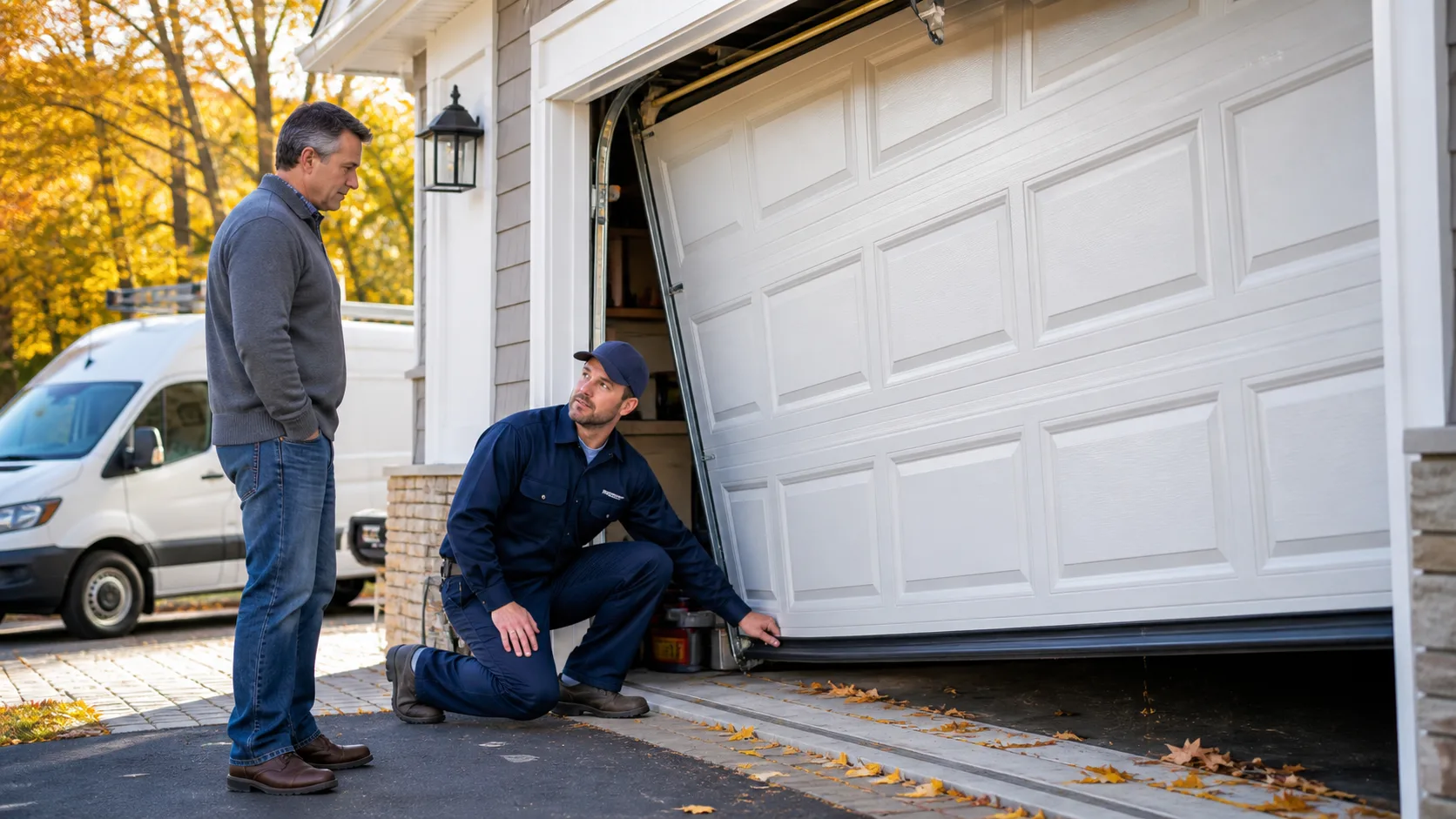
Sometimes you won’t visibly see anything wrong, but if the door feels off or your pets are more nervous than usual, that’s a clue worth checking out. Booking a yearly inspection with a trained technician helps you avoid rushed repairs during the dead of winter. Small tweaks and tune-ups taken care of early can save you a lot of stress when snow is falling and your garage becomes a higher-traffic spot.
Better Features for Safer Pets and Fewer Worries
Garage doors serve as home entry, storage access, and even play areas in some homes. But for pet owners, making them part of a safe space is just as important as any other upgrade you’d do around the house.
Features like auto-reverse sensors, belt-drive systems, noise-reducing parts, and clear manual controls do more than make life easier—they make your garage less of a risk zone for curious dogs and napping cats. Regular inspections and quick cleaning routines go a long way in keeping those features working when they matter most.
When your garage door operates more safely, it’s one less thing you need to worry about on a busy winter morning. And for the animals you share your house with, it can turn a once-stressful part of the home into a safe, quiet zone they won’t mind exploring. Keeping your pets safe is never just one fix, but a set of good habits and smart features that work together. With the right choices and upkeep, it’s easier than you think to make garage doors a safer part of the home in Buffalo.
Protecting your pets starts with a safe and reliable garage door. Whether you’re dealing with noisy operations or outdated safety features, Barlett Overhead Door is here to help. For trustworthy solutions and professionalism you can depend on, explore our expert garage door repair in Buffalo, NY. Let us ensure peace of mind for you and a safer environment for your furry family members.