When cold winds roll off Lake Erie and temperatures in Buffalo start to dip, your garage door can take the hit. A drafty, unsealed, or poorly working garage door doesn’t just affect comfort. It can also lead to frozen parts, rising utility bills, and unexpected damage from moisture or ice buildup. As fall comes to a close, now’s the best time to get ahead of it.
Winterizing your garage door isn’t complicated, but it does take a little attention. Most issues that pop up during winter are linked to small things that were easy to fix months earlier. A little maintenance now can save you from being stuck in your driveway with a frozen system or waking up to a garage full of snow and slush. Let’s walk through a few key ways to make sure your garage door is ready for Western New York’s winter weather.
Inspect And Repair Weather Stripping
Weather stripping is your garage door’s first line of defense against the cold. It’s tucked along the bottom and sides of your door and helps seal out snow, wind, and water. But over time, that rubber or vinyl can crack, warp, or wear down. When that happens, cold air and moisture can sneak in easily, making your garage feel more like a walk-in freezer.
Here’s how you can spot problems early:
– Check the bottom rubber seal when the door is closed. If you can see daylight along the bottom or sides, the weather strip likely needs attention.
– Press gently along the strip. If it’s dry, brittle, or flaky, it’s past its prime.
– Listen for any whistling wind or spot small puddles near the door after rain or snow. That’s a giveaway the seal is failing.
If the seal looks old or you see cracks along the edges, replacing it before temperatures really drop can make a big difference. A good seal helps keep warm air inside, protects your stored items from the cold, and even helps keep out small animals looking for shelter. It also adds a little sound barrier between you and the outdoors.
Lubricate Moving Parts
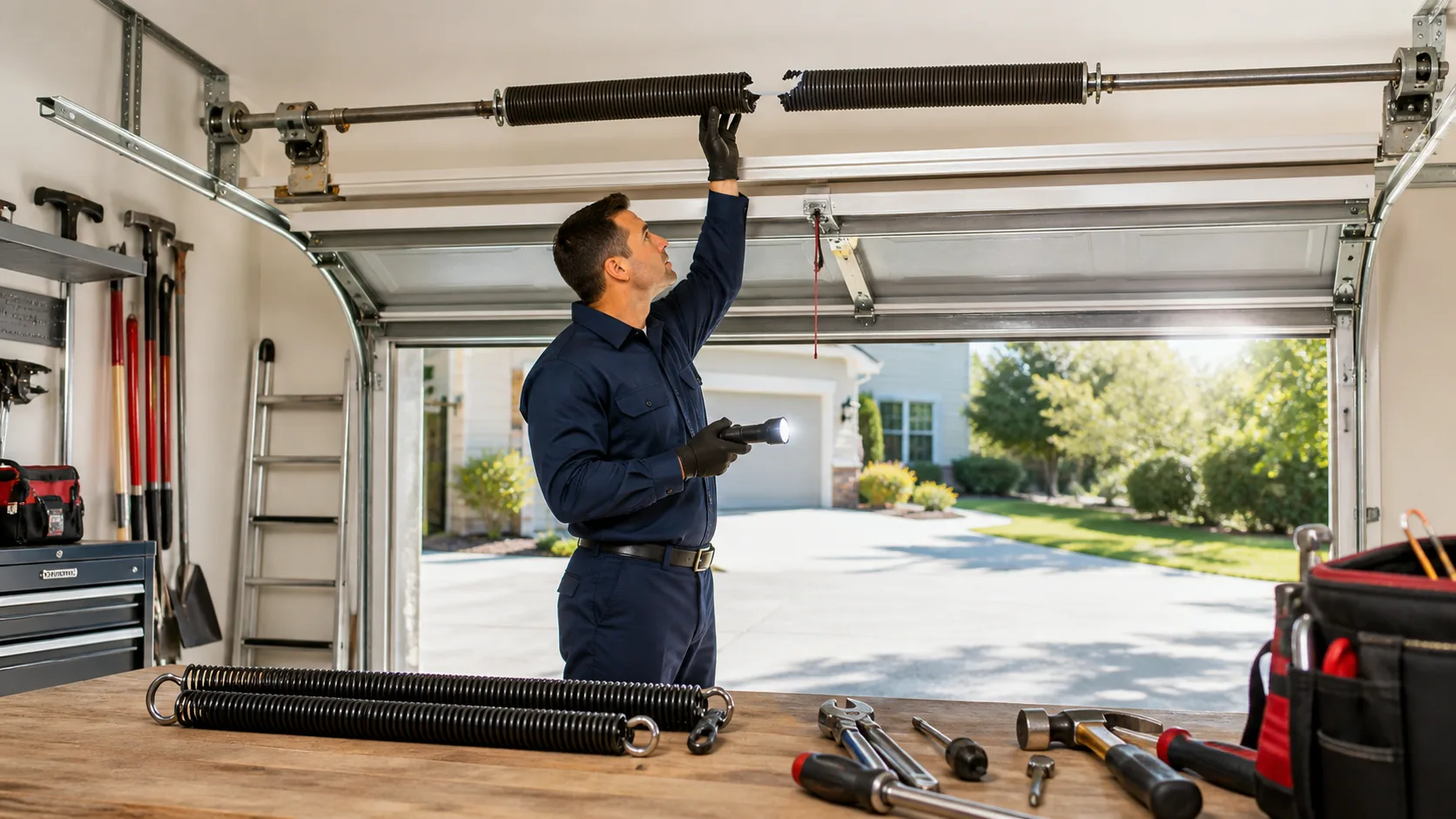
Cold weather and dry metal are not a good match. When rollers, hinges, or springs aren’t properly lubricated, freezing temperatures can make them stiff or jammed. This can lead to noisy operation or full-on breakdowns. That’s why it’s worth taking the time to get everything moving smoothly ahead of winter.
Here’s a quick checklist of parts to lubricate:
– Rollers: These allow your garage door to open and close with ease. If they’re squeaky or jerky, they’re probably dry.
– Hinges: These connect each section of your garage door and bend as it opens. Keeping them lubricated helps the door move without stress.
– Tracks (sides only): It’s a good idea to keep them clean. Avoid applying lubricant all over the entire track to prevent buildup.
– Springs: A light coating on the garage door springs helps maintain tension and protects from breakage or stiffness in freezing weather.
Use a silicone-based spray that’s made to handle cold conditions. Avoid using grease, which can get thick and gummy. In Western NY, it’s smart to lubricate your garage system twice a year. Try to make one of those times just before winter hits. One homeowner reached out to us last fall after hearing strange squeals every morning. All she needed was a little routine maintenance, and it kept her from needing a major service call in the middle of January.
A well-lubricated garage door runs better, lasts longer, and is much quieter, especially when temperatures drop. If your garage shares a wall with a living space, it could even help reduce unnecessary noise during early mornings or late nights.
Check And Replace The Garage Door Bottom Seal
If it’s been a year or so since you checked the bottom of your garage door, now is the perfect time. The rubber strip along the base is called the bottom seal. It keeps cold drafts, water, snow, and pests out. In Western NY, where salt, ice, and snow are regular guests, a worn seal can quickly lead to problems.
Over time, that seal can flatten, crack, or become brittle. If moisture finds its way through, the floor of your garage can get damp or even freeze. That can damage concrete, flooring, or anything sitting near the entrance.
Here are some ways to inspect your bottom seal:
– Close the garage door and look for daylight around the edges or bottom.
– Run your hand under the seal to feel for hard areas, cracks, or missing pieces.
– If the door sticks as it opens or closes, the bottom seal might be dragging against the ground or warped from age.
Replacing a damaged bottom seal is a simple fix that brings immediate results. It will not only improve the warmth inside but also keep water and slush from sneaking through. You won’t need to worry about snowmelt turning your garage into a puddle.
Inspect The Garage Door Opener And Safety Features
As winter approaches, it’s smart to give your garage door opener a quick checkup. Cold temperatures slow things down, and if the system is already working hard, freezing weather can make it worse.
Start by opening and closing the door a few times using your remote or wall switch. Listen for any grinding noises or slow lift speeds. If you notice a delay after pressing the button, it’s a sign the opener may be under strain.
Next, check the auto-reverse safety feature. Here’s how:
1. Open the garage door all the way.
2. Place something solid like a small wooden block on the ground in the path of the door.
3. Try closing the door. It should touch the object, then automatically reverse.
If it doesn’t reverse, the sensor or motor might need service. You should also inspect the photo-eye sensors, which sit near the base of the garage door frame.
– Make sure both lenses are lined up correctly.
– Gently wipe the lenses with a dry cloth.
– Wave a stick or long object between them during door closure to make sure the door stops and reverses.
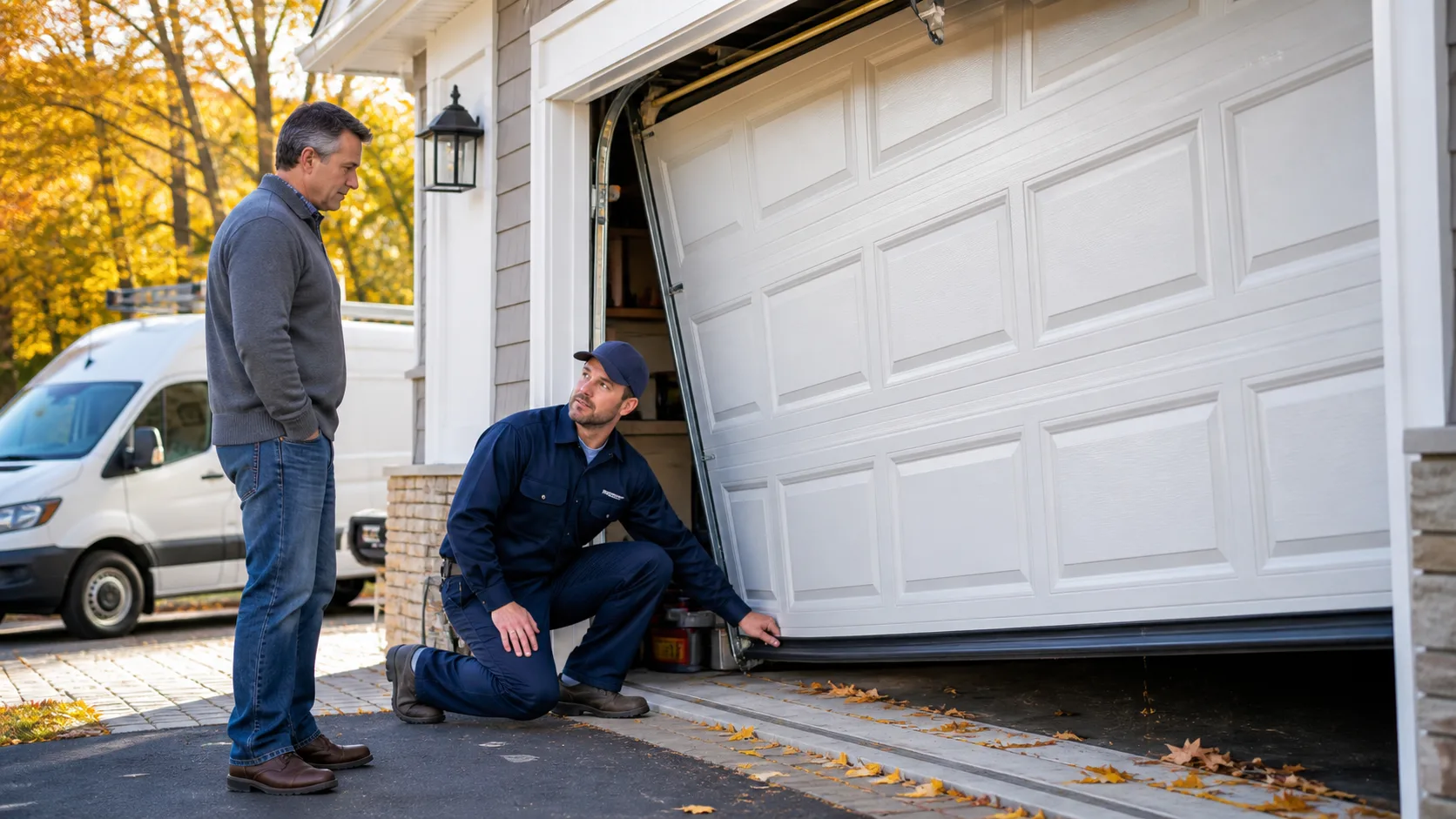
If anything seems off, it’s a good idea to have a professional look it over. A quick inspection now is easier, and usually cheaper, than an emergency service call during a snowstorm or deep cold snap.
Keep the Cold Out and Peace of Mind In
Getting your garage ready for winter doesn’t mean a full overhaul. Small steps like sealing gaps, keeping parts moving, and making sure safety mechanisms work can do a lot. Think of it like putting snow tires on your car or draining the hose lines at home. One hour of effort in the fall can save days of frustration in January.
Western NY winters are known for their intensity. Between snow squalls off Lake Erie and below-zero mornings, things can freeze fast. A garage door that works without a hitch doesn’t just save you stress. It keeps your car protected, helps with heating costs, and keeps your schedule moving when everything else feels frozen.
If your garage door is already showing signs of wear, making strange noises, or just feels drafty, don’t wait. Taking care of it now helps make sure it stands up to whatever winter throws your way.
Prepare for the winter season in Western NY with a garage door that’s in top shape. At Barlett Overhead Door, we’re ready to assist with any concerns you might have, from maintenance tips to full inspections. Consider our services for garage door installation in Western NY to ensure your system is winter-ready and performing optimally. Count on us to help keep the cold at bay and maintain a cozy home environment.