When the weather starts moving into fall around Buffalo, New York, it doesn’t just change the color of the leaves. That drop in temperature, the rain that lingers, and the shift toward colder, windier days can affect a lot of things around the house, including your overhead door. As summer wears off, we tend to see more calls from people noticing their garage door acting up or sounding different. It’s not surprising. Many common problems with garage doors pick up when the season shifts. The good news is that with the right attention, most of these can be fixed before they turn into larger repairs. Fall is a good reminder to check how things are working, especially since overhead door repair tends to happen more often this time of year.
Increased Tension on Springs and Components
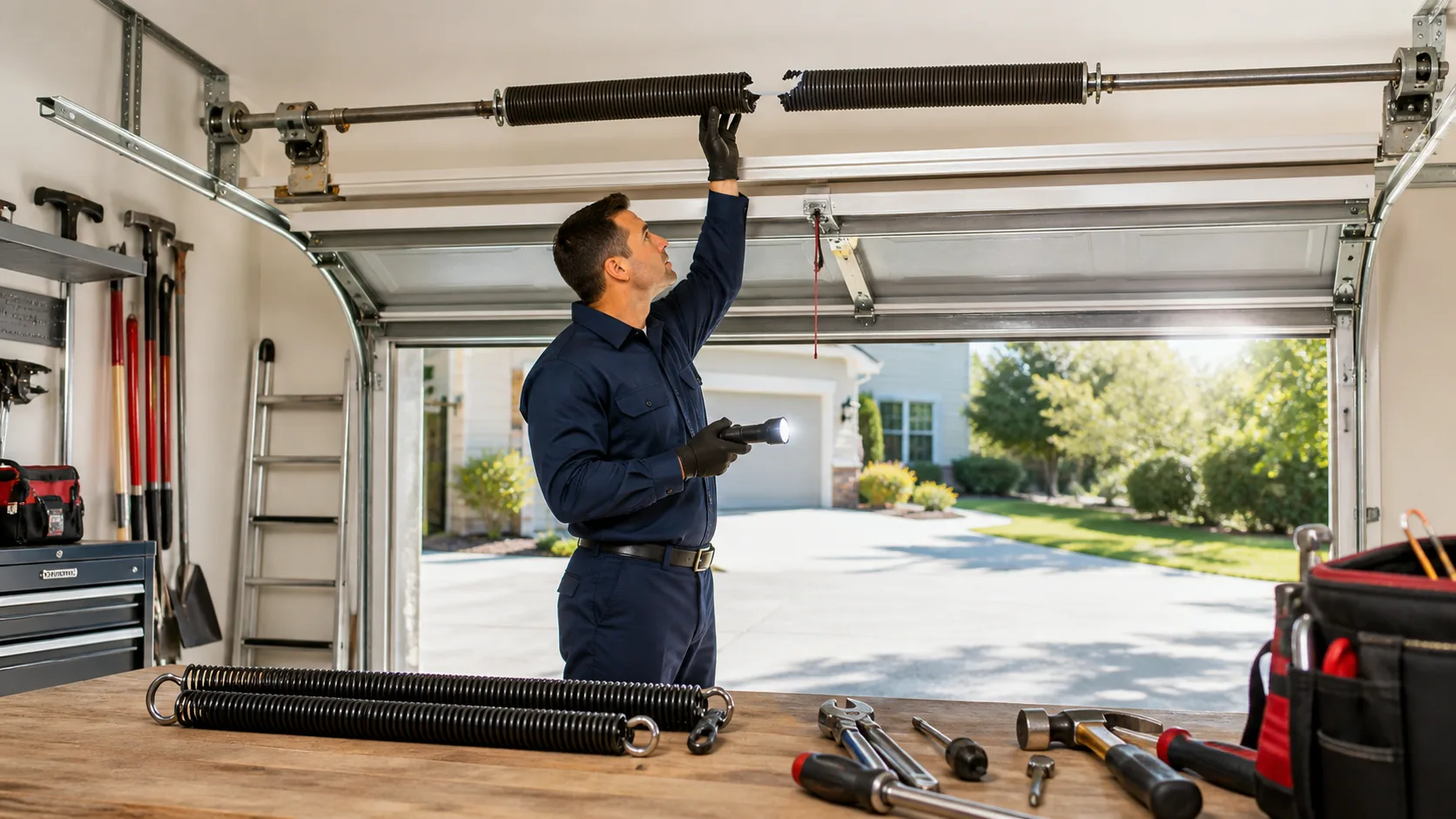
When the temperatures start to cool, the parts in a garage door system don’t always respond kindly. Metal contracts in the cold, and that can put added pressure on components like springs, cables, and hinges. These parts all rely on tight coordination to keep the door moving smoothly.
During summer, parts may wear down little by little without any major signs. But once the air turns cooler, even barely worn springs can snap more easily. That sudden tension makes the system work harder than normal. We often get calls in early fall when a garage door suddenly stops working because a spring has broken or a connection has loosened under stress.
- Torsion springs can become brittle or lose balance as temperatures shift
- Joints that were already showing wear may crack or split under stronger tension
- Cables and pulleys may stretch or shift, making the door feel uneven
These kinds of problems can leave a garage door stuck or unsafe. Fall weather often gives those older parts a final push toward failure. If you notice any differences in the way the door moves or sounds, this could be a sign that the springs or cables are under strain. The cooler weather doesn’t just put more stress on these parts; it can speed up the wear they already have. Even if it was working fine through the summer, the first cold snap can bring hidden problems into the open. It’s always better to spot them now than to wait until the weather gets even colder.
Sensor Problems from Falling Leaves and Dirt
If your door starts closing and then reverses for no clear reason, nearby leaves might be the culprit. As trees let go of their branches in October, it’s easy for small debris to land right where sensors are placed. Even a thin layer of wet leaves or mud from rainy walkways can block the beam.
Safety sensors are there to stop the door from closing on objects, but they can struggle when weather plays a role. Dampness and temperature changes can mess with sensor alignment or make the wires inside start to corrode. Sometimes it’s as simple as a spiderweb across the lens, but other times, it’s moisture getting into the mount or bracket and causing electrical issues.
- Standing water around the base of the door can wear at sensor mounts
- Falling leaves and dirt often get wedged under the lens or block the laser
- Loose brackets from storm winds can throw off alignment completely
These sensors are sensitive for good reason, and they don’t handle dirty or wet conditions well. Fall tends to push them more than other times of year. When sensors have trouble, the garage door may behave oddly, stopping and reversing even with nothing in sight. It may leave you stuck with a door that won’t close fully, letting in more cold air and wet weather. Paying attention to minor behavior changes, like the door hesitating or stopping unexpectedly, can clue you in that the sensors aren’t happy. While cleaning the area may seem simple, it’s often just one part of the solution. Other times, more trouble may be hiding inside the sensor that needs a professional’s eye.
Track and Roller Shifts from Expansion and Contraction
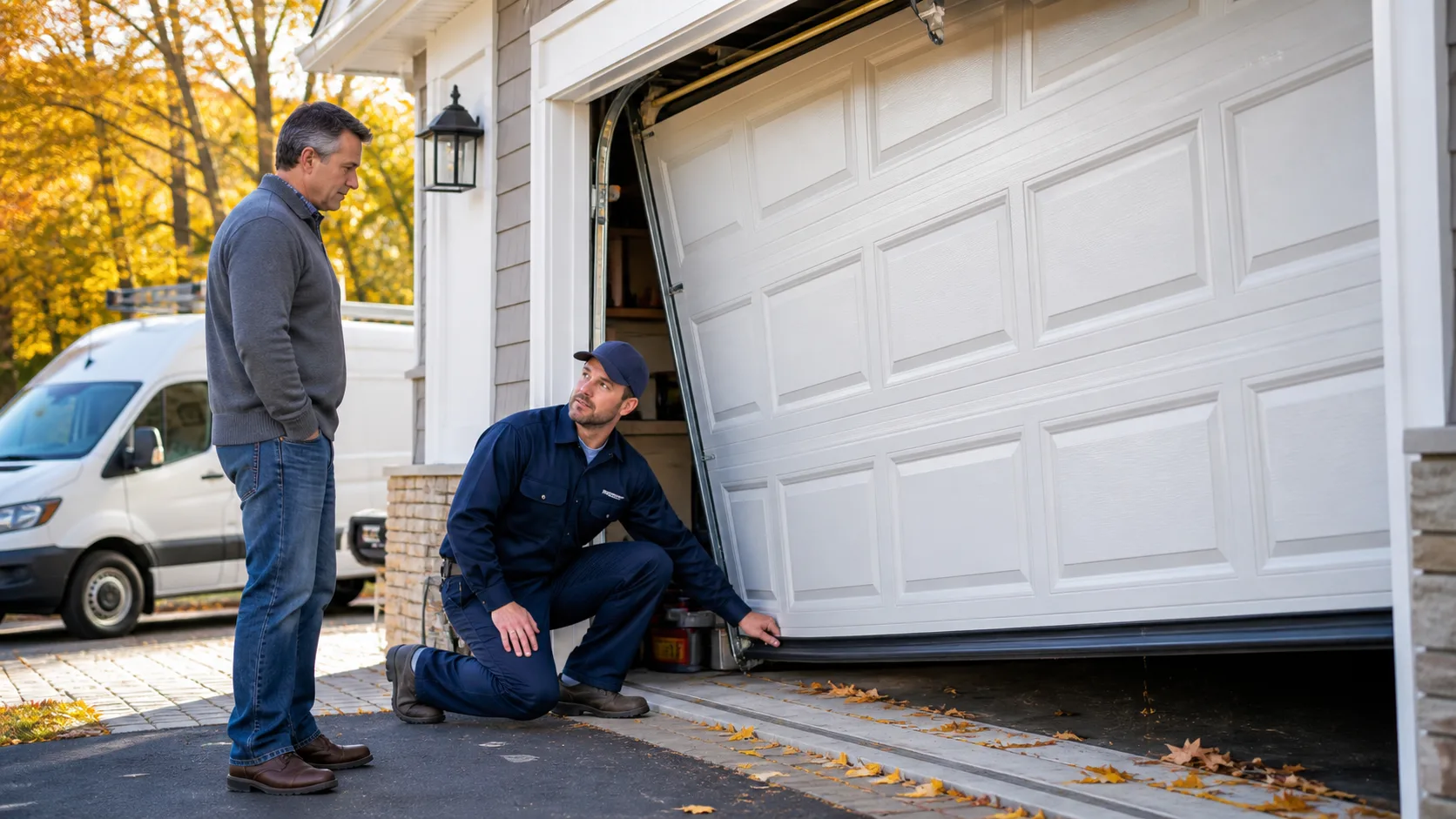
Garage door tracks, like most metal pieces, expand when it’s hot and shrink when it gets cool. That constant adjusting during the day and overnight can make tracks warp or shift slightly. Even a small angle change can throw off how the roller fits in the track, and when that happens, things can get noisy fast.
We often hear from people who notice their door screeching or dragging in early fall when overnight temps drop. The rollers might grab onto the track or slip slightly off center. It’s easy to ignore until the door gets stuck partway or loses its smooth motion altogether.
- Tracks can pull away from the frame or develop small dents that aren’t easy to see at first
- Rollers pop slightly out of place or wear down quickly from uneven weight
- The door may start to lean or close unevenly, making it harder to control
Once the track goes even a bit off, everything the door rests on can wear out faster. A door that appears crooked or rolls unevenly can quickly get stuck if the alignment worsens. Unusual noises while operating the door, such as grinding or screeching, are warning signals that the tracks or rollers are not positioned as they should be. These noises are often more noticeable after a cool night or particularly windy day, since weather can shift these parts just enough to cause problems. Adjusting or repairing these parts early keeps the rest of the system running smoothly as the temperature drops.
Weather Seals and Insulation Wearing Out
In Buffalo, we know that once fall hits, it’s only a matter of time before the wind picks up and the cold settles in. Your garage door is a direct line to the outdoors, and when weather seals start to wear down, you feel it fast. Those rubber strips at the bottom and sides of your door are there to block out wind, water, and yes, curious critters looking for a warm place to hide.
But after a few seasons, the seals begin breaking down. When the air outside turns cold, they tend to harden and crack. Once that happens, gaps open up. Even small cracks can let in enough cool air or dampness to make a difference inside the garage.
- Weatherstripping may split or shrink, especially along the bottom panel
- Worn seals let cold air seep in, making indoor spaces less comfortable
- Rodents can slip inside through loose corners or edges
This is one of the biggest reasons people call us for overhead door repair in the fall. When it stops keeping the outside out, it needs to be fixed. Not only does this affect comfort, but it can also allow water or melting snow to pool inside, creating new problems. Gaps or cracked seals are easy to overlook until you start to feel just how much colder the garage becomes on windy days. Replacing weather seals before it gets truly cold is one of the best ways to keep your garage protected.
Power Supply and Opener Sensitivity Returning in Cooler Months
Fall often reveals problems that didn’t show up over the summer. If your garage door opener hasn’t had to work hard in a few months, fall weather might be the push it needs to start showing signs of weakness. Batteries may not hold a charge as well, and damp weather can get into parts that weren’t sealed tight.
If your opener runs slow, stops halfway, or doesn’t respond when you hit the remote, it could be dealing with power problems, wiring issues, or moisture damage. These aren’t always full breakdowns, but they are early warnings.
- Backup batteries might lose strength without noticeable signs
- Cold air can affect older wiring or cause connections to shrink
- Condensation can settle into panels and cause random resets or blinking lights
Garage door openers slow down quietly before they quit fully. Fall is when those warning signs often begin to show. Sometimes you might notice that the opener sounds louder or operates less smoothly than before. At other times, it might stop responding for a moment, only to start again randomly. Such issues are best checked early, as opener trouble is much easier to solve before deeper cold sets in or a total shutdown occurs.
Stay Ready Before It Gets Colder
All across Western New York, fall weather puts more pressure on systems that were already showing signs of wear. From springs tightening up to tracks bending or sensors blinking, most problems don’t pop up out of nowhere. They build up during summer, then show up fast when the season turns.
Getting ahead of them before the colder months helps avoid being stuck with a door that won’t work on a windy day or leaks cold air into the garage. Fall can be hard on overhead doors, especially if they haven’t been looked at in a while. Noticing these signs early is the best way to stay ahead of bigger repair needs.
If something doesn’t sound right, looks crooked, or stops moving the way it should, this is the time to get it checked. At Barlett Overhead Door, we’re always ready to help Western New York homeowners keep their doors working no matter what the weather brings next.
As the weather shifts in Buffalo, NY, you may notice your garage door making odd noises, moving unevenly, or reacting slowly. These small problems can quickly become major issues as colder air and wet debris take their toll. Many fall garage door troubles are due to worn parts, misaligned rollers, or sensors affected by damp conditions. Don’t let a minor problem leave you with a stuck door on a chilly morning. For trusted help with overhead door repair, reach out to Barlett Overhead Door. We’re ready to make sure your garage is protected before winter arrives.